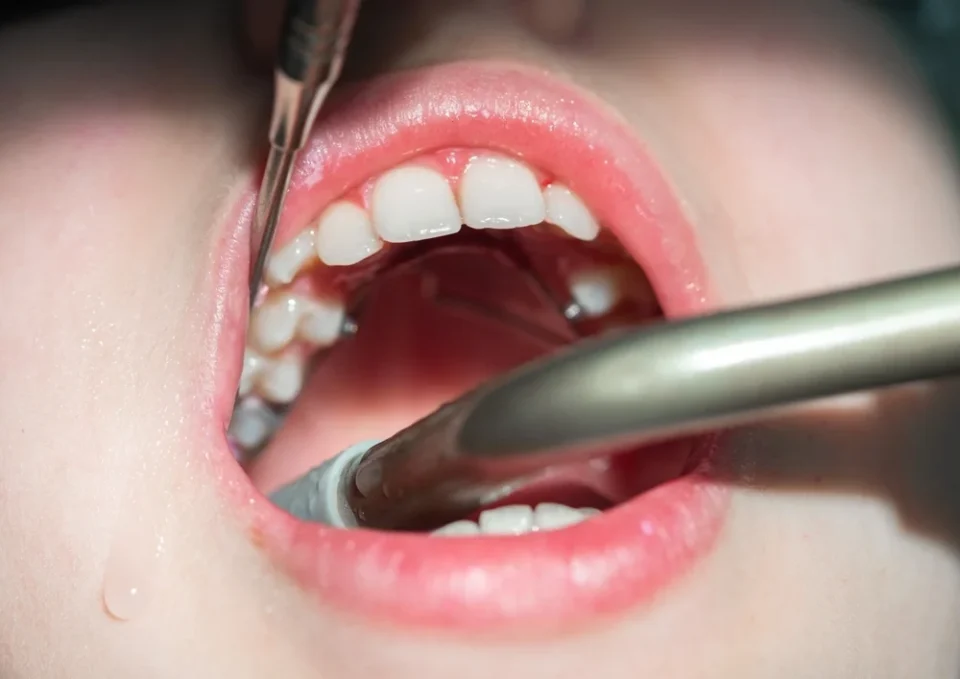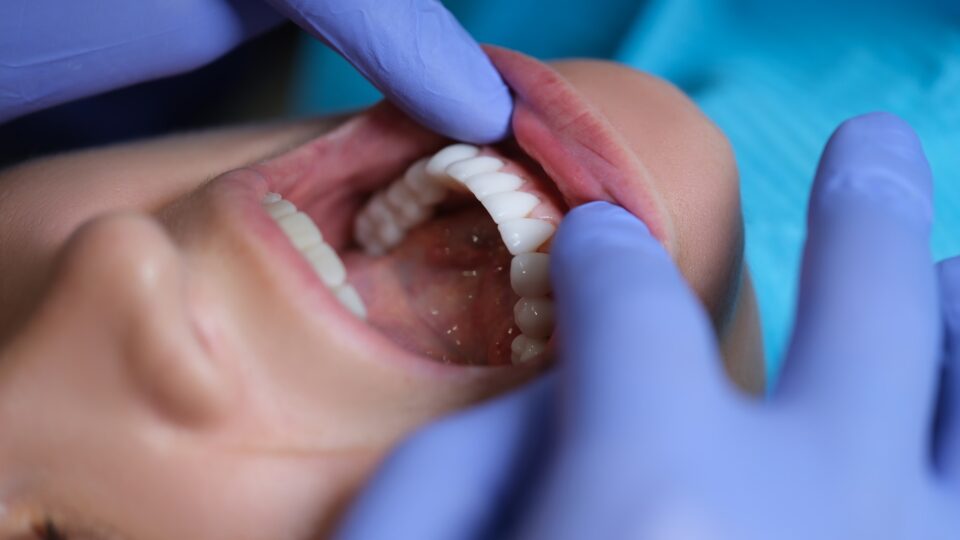
When it comes to maintaining your oral health, teeth cleaning is an essential part of the routine. But did you know that there are different types of cleaning treatments? The two most common are deep cleaning and regular cleaning.
While they both aim to keep your teeth and gums healthy, they serve different purposes and are performed in different situations.
In this article, we’ll explore the key differences between deep cleaning and regular cleaning in Pompano Beach, FL and help you understand when and why you might need one over the other.
Whether you’re looking for teeth cleaning types or wondering if you need a deep cleaning, we’ve got you covered!
What Is the Difference Between Deep Cleaning and Regular Dental Cleaning?
The main difference between deep cleaning and regular cleaning lies in the areas of your mouth that are treated.
Regular cleaning, also known as prophylaxis, is typically a routine cleaning procedure. It focuses on removing plaque and tartar buildup from the surfaces of your teeth above the gumline. This type of cleaning is generally performed every six months as part of a standard dental exam check-up.
Deep cleaning, on the other hand, is a more thorough procedure that goes beneath the gumline. It targets the areas between your teeth and gums where plaque and tartar may have accumulated below the surface, which can’t be cleaned with a routine cleaning. Deep cleaning is often recommended when you have gum disease or significant tartar buildup.
In short, regular cleaning is more superficial and typically involves the crown of the tooth, while deep cleaning is a more intensive process that reaches below the gumline.
When Do You Need a Deep Cleaning Instead of a Routine Cleaning?
A deep cleaning is necessary if your dentist detects signs of gum disease, also known as periodontal disease. This condition occurs when bacteria and plaque buildup below the gumline, causing inflammation, infection, and potential damage to the supporting structures of the teeth.
Here are some key signs that you might need a deep cleaning instead of a regular cleaning:
- Gum bleeding or swelling
- Bad breath that persists
- Gum recession, where gums pull away from the teeth
- Deep pockets between teeth and gums (measuring more than 3mm)
- Visible tartar buildup beneath the gumline
If your dentist notices these signs during your regular cleaning or check-up, they may recommend periodontal treatment to prevent further damage and promote healing.
Is Deep Cleaning More Painful Than Regular Cleaning?
Many patients wonder if deep cleaning is more painful than regular cleaning. While both procedures are generally safe and well-tolerated, deep cleaning can cause more discomfort for some individuals because it involves cleaning below the gumline, where the gums may be more sensitive.
However, the pain associated with deep cleaning is usually minimal, and the procedure can be performed with local anesthesia to numb the area and reduce discomfort. You may experience some soreness and sensitivity in your gums and teeth after a deep cleaning in Pompano Beach, FL, but this typically subsides within a few days.
On the other hand, regular cleaning is usually less invasive and causes little to no discomfort. Most people report feeling only mild pressure and a slight vibration from the cleaning instruments.
In short, while deep cleaning may cause some temporary discomfort, it is generally not more painful than regular cleaning, and your dentist will take steps to make you as comfortable as possible during the procedure.
How Often Should You Get a Deep Cleaning?
The frequency of deep cleaning depends on your oral health needs. For most people, regular cleanings every six months are sufficient to maintain a healthy mouth.
However, if you have gum disease or significant tartar buildup, your dentist may recommend more frequent deep cleanings, such as every 3 to 4 months, to prevent the condition from worsening.
After your initial deep cleaning, your dentist will evaluate the health of your gums and determine the appropriate schedule for follow-up treatments. Regular visits and proper at-home care can help keep your gums healthy and reduce the need for frequent deep cleanings.
It’s important to follow your dentist’s advice and keep up with your cleaning schedule to avoid complications like gum disease.
Does Deep Cleaning Treat Gum Disease?
Yes, deep cleaning is often used to treat gum disease, particularly in its early to moderate stages. This procedure is designed to remove plaque, tartar, and bacteria from below the gumline, helping to eliminate the infection and prevent further damage to the gums and bone.
In the case of gum disease, deep cleaning targets the following:
- Scaling: This involves the removal of plaque and tartar from the surfaces of your teeth and beneath the gumline.
- Root planing: The roots of your teeth are smoothed to encourage the reattachment of the gums to the tooth surface and help prevent bacteria from collecting in the future.
By thoroughly cleaning beneath the gumline, deep cleaning helps to reduce gum inflammation, eliminate bacteria, and restore gum health. If you have more advanced gum disease, additional treatments may be necessary to fully treat the condition.
For more insight into gum health, you can also read Understanding Gum Disease: Periodontal Treatment.
How Long Does a Deep Cleaning Procedure Take?
The duration of a deep cleaning procedure can vary depending on the extent of the cleaning required and the number of areas in your mouth that need treatment. Typically, deep cleaning takes longer than a regular cleaning.
On average, a deep cleaning may take between 1 to 2 hours, and sometimes longer if multiple areas of your mouth need attention. Some patients may need to undergo the procedure in multiple visits to ensure a thorough cleaning.
During the procedure, your dentist or hygienist will work carefully to remove plaque and tartar from both the tooth surfaces and below the gumline. If the procedure is done in sections, your dentist will focus on one quadrant of your mouth at a time to minimize discomfort.
Is Deep Cleaning Covered By Dental Insurance?
Most dental insurance plans cover deep cleaning if it is deemed medically necessary to treat gum disease. However, the level of coverage may vary depending on your specific plan.
Generally, insurance will cover the cost of deep cleaning if it is part of your treatment for gum disease, but you may be responsible for a portion of the costs, depending on your deductible, copayment, and coinsurance.
It’s a good idea to check with your insurance provider beforehand to understand your coverage for deep cleaning. If you don’t have insurance or if your plan doesn’t fully cover the procedure, ask your dentist about payment options or financing plans.
Final Thoughts
Deep cleaning and regular cleaning serve different purposes and are both essential for maintaining good oral health.
Regular cleaning is a routine preventive measure to remove plaque and tartar, while deep cleaning is a more intensive procedure that targets gum disease and prevents further oral health complications.
You may also find it helpful to explore Professional Teeth Cleaning vs. At-Home Care: What’s the Difference? for additional guidance on maintaining your smile.
Choose the Right Cleaning for Your Oral Health
At Jaline Bocuzzi, DMD, PA // JBDentistry in Pompano Beach, FL, we are committed to providing personalized care tailored to your unique dental needs. Whether you’re in need of a teeth cleaning in Pompano Beach, FL or treatment for gum disease, we are here to help you achieve a healthy, beautiful smile. Schedule a consultation today and let us guide you on the path to better oral health!