
Is Professional Teeth Cleaning Worth It If You Brush Daily?
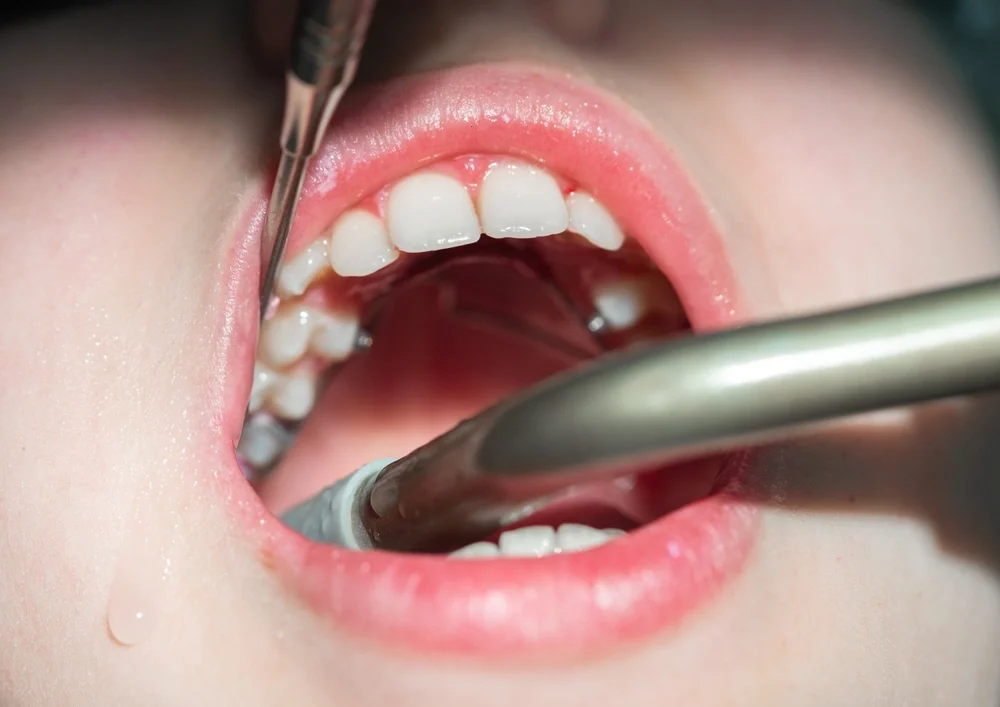
If you brush every day, that is already a great start, but it does not always mean you can replace professional teeth cleaning with home care alone. The short answer is yes, professional cleanings are still worth it even if you brush and floss consistently. Daily brushing plays a huge role in protecting your teeth and gums, but it cannot always remove hardened buildup, clean every hard-to-reach area, or catch early warning signs before they become bigger problems. That is where the real benefits of dental cleaning come in. A professional cleaning is not only about making your teeth feel smoother. It is also about preventing gum problems, reducing buildup, and giving your dental team a chance to spot issues early. Do You Still Need Professional Teeth Cleaning If You Brush and Floss Daily? Yes, you still need professional teeth cleaning even if you are very consistent with brushing and flossing. Good home care is essential, but it is only one part of keeping your mouth healthy over time. Daily Home Care Is Important, But It Has Limits Brushing twice a day and flossing daily help remove plaque before it causes trouble. That routine lowers your risk for cavities, gum irritation, and bad breath. It also helps maintain the results of past dental work and keeps your smile looking cleaner between appointments. But even people with excellent habits can miss areas in the mouth. Some spots are harder to clean because of tooth position, crowding, gumline shape, or the simple fact that nobody brushes perfectly every single time. Brushing Helps Maintain, Not Replace, Dental Cleanings This is one of the biggest misunderstandings in the brushing vs professional cleaning in Pompano Beach, FL conversation. Brushing does not make professional cleanings unnecessary. Instead, it helps keep your mouth in better shape between visits. Think of it this way: home care handles the daily job, while professional cleanings handle what builds up over time and what cannot be safely removed at home. Even Healthy Mouths Benefit From Monitoring Another reason cleanings still matter is that your dental visit is not only about removing buildup. It is also a chance to evaluate gum health, look for early areas of concern, and make sure your routine is actually working as well as you think it is. Prevention Is Easier Than Repair One of the biggest benefits of dental cleaning is that it supports prevention. Small problems are usually easier, faster, and less expensive to manage than larger ones. That alone makes routine cleaning visits worthwhile, even for people who already take their oral hygiene seriously. What Can a Dentist Clean That Brushing Alone Cannot Remove? A dentist or hygienist can remove buildup and clean areas that brushing alone often cannot fully address, especially when plaque has already hardened. Hardened Buildup Cannot Be Brushed Away One of the most important things to understand is that plaque can harden into tartar over time. Once that happens, a toothbrush and floss are no longer enough to remove it effectively. This is a major reason professional teeth cleaning continues to matter, even for people who are trying hard to take care of their teeth at home. The Gumline Is a Critical Area The area where the teeth meet the gums is one of the most common places for buildup to collect. It is also one of the most sensitive and important places to keep clean, because irritation there can lead to gum inflammation. A professional cleaning focuses on this area with tools and techniques designed to remove buildup more thoroughly than normal brushing can. Hard-to-Reach Areas Matter More Than People Realize Back teeth, tight spaces between teeth, and areas around dental work can all be difficult to keep completely clean at home. Even with good brushing habits, these areas may collect buildup over time. This is where the difference between brushing vs professional cleaning in Pompano Beach, FL becomes especially clear. Brushing is great for daily maintenance, but professional care helps address the spots that regularly get missed. Surface Stains and Roughness Can Be Reduced Another one of the noticeable benefits of dental cleaning is that it can help remove some surface stain and leave teeth feeling smoother. That smoother finish can make it harder for new plaque to cling as easily, which helps support your home care after the appointment. Professional Cleaning Is Also About Skill and Visibility A dental professional is not cleaning your mouth from memory or habit the way you do at home. They are cleaning with training, precision, better visibility, and an understanding of where problems usually hide. That difference matters. Is Professional Teeth Cleaning Necessary For Healthy Teeth? Yes, for most people, professional teeth cleaning is still an important part of keeping teeth and gums healthy. Healthy teeth do not only depend on what you do at home. They also depend on preventing buildup and catching changes early. Healthy Teeth Need Healthy Gums Too Many people think of cleanings only in terms of cavities, but gum health is just as important. Teeth can look fine at a glance while the gums are becoming irritated or inflamed. Professional cleanings help remove the buildup that contributes to gum issues and support the health of the tissues holding your teeth in place. Cleanings Support Early Detection One of the most valuable benefits of dental cleaning is that these visits also create an opportunity to catch things early. That may include: Even if your teeth feel fine, early issues do not always come with pain or obvious symptoms. Good Oral Hygiene and Professional Care Work Together This is why brushing vs professional cleaning in Pompano Beach, FL should never be framed as one replacing the other. Brushing daily gives you the best chance of keeping your teeth healthy between visits. Professional cleaning helps support that effort and fills in the gaps that home care cannot fully cover. Healthy Teeth Stay Healthier With Prevention If your mouth is already healthy, regular cleanings help keep it that way.
Are Clear Aligners Effective for Severe Cases?

Not every smile problem is a simple fix, and that is exactly why so many people ask whether clear aligners can handle more complex cases. If you are dealing with severe teeth misalignment, you may be wondering whether aligners can really do the job or if other treatment options make more sense. The answer depends on what is going on with your teeth and bite. In this blog, we will break down how aligners work, when they are effective, and what to know about clear braces effectiveness in Pompano Beach, FL before deciding on the right path for your smile. Can Clear Aligners Fix Severe Crowding or Bite Issues? One of the most common concerns patients have is whether clear aligners can handle significant alignment problems. Treating Severe Crowding Modern aligner systems can correct: Using customized trays and gradual movement, aligners can shift teeth into proper alignment over time, especially when addressing issues like teeth crowding. Addressing Bite Issues Clear aligners can also help correct: However, more advanced bite problems may require additional orthodontic techniques, particularly in cases involving complex bite problems. Use of Attachments and Accessories To improve clear braces effectiveness in Pompano Beach, FL, dentists may use: While clear aligners are effective for many cases of severe teeth misalignment, success depends on proper planning and patient compliance. Are Braces Better Than Aligners For Complex Cases? This is one of the biggest debates in orthodontics. Strength of Traditional Braces Braces are often preferred for: They provide continuous force and greater control. Advantages of Clear Aligners Clear aligners offer: Patients exploring Invisalign treatment options often prefer aligners for their convenience and aesthetics. When Braces May Be Better For extreme severe teeth misalignment, braces may be recommended because they handle more complex movements and offer precise control over tooth positioning. Modern Perspective Thanks to advancements in clear braces effectiveness in Pompano Beach, FL, many cases that once required braces can now be treated with aligners. According to the American Association of Orthodontists, evolving orthodontic technology continues to expand treatment possibilities. How Long Does Treatment Take For Severe Misalignment? Treatment time is an important consideration for patients with complex cases. Average Treatment Duration For severe teeth misalignment, treatment with clear aligners may take: Factors That Affect Duration Aligners vs Braces Timeline Importance of Consistency Skipping wear time can delay results and reduce clear braces effectiveness in Pompano Beach, FL. Do Aligners Work For Overbite or Underbite? Yes, but with some limitations. Treating Overbite Clear aligners can correct: Treating Underbite Aligners may help with: When Additional Treatment Is Needed Severe bite issues may require: While clear aligners are effective for many bite problems, severe cases of severe teeth misalignment may need more advanced solutions. When Are Clear Aligners Not Recommended? Although versatile, clear aligners are not ideal for every situation. Cases Where Aligners May Not Be Suitable Compliance Is Critical Because aligners are removable, success depends heavily on: Alternative Options In cases where aligners are not recommended, braces or other orthodontic treatments may provide better results. Bottom Line Your dentist will evaluate whether clear aligners are the right choice for your specific case. Can Invisalign Replace Braces in All Cases? While Invisalign and similar systems have advanced significantly, they cannot replace braces in every situation. Where Aligners Excel Clear aligners are ideal for: Where Braces Still Lead Braces remain the preferred option for: Hybrid Approaches Some patients benefit from: Final Verdict Clear braces effectiveness in Pompano Beach, FL has improved greatly, but braces are still necessary for certain complex cases. Do Severe Cases Require Longer Aligner Treatment? Yes. More complex cases typically require more time. Why Severe Cases Take Longer Treating severe teeth misalignment involves: Refinement Stages After initial treatment, patients may need: Importance of Patience While the process may take longer, the results are often: Maximizing Results To improve clear braces effectiveness in Pompano Beach, FL: Final Thoughts Clear aligners can do more than many people expect, even in cases that seem more complicated at first glance. Still, the right treatment depends on the type and severity of the misalignment, how the bite is affected, and how consistently the aligners are worn. While some severe cases respond well to aligners, others may need braces or a combination approach. The most important takeaway is that there is no one-size-fits-all answer. A personalized treatment plan makes all the difference when it comes to getting safe, effective, and lasting smile results. Find the Right Solution for a Straighter, Healthier Smile Choosing between orthodontic options can feel overwhelming, especially when dealing with severe teeth misalignment. While clear aligners have transformed modern orthodontics, the best solution depends on your unique needs and goals. At Jaline Bocuzzi, DMD, PA // JBDentistry, we specialize in customized orthodontic solutions designed to deliver the best possible results. Whether you’re considering clear aligners or exploring other options, our team is here to guide you every step of the way. Schedule your consultation today and take the first step toward a healthier, more confident smile.
Deep Cleaning vs Regular Cleaning: What’s the Difference?
When it comes to maintaining your oral health, teeth cleaning is an essential part of the routine. But did you know that there are different types of cleaning treatments? The two most common are deep cleaning and regular cleaning. While they both aim to keep your teeth and gums healthy, they serve different purposes and are performed in different situations. In this article, we’ll explore the key differences between deep cleaning and regular cleaning in Pompano Beach, FL and help you understand when and why you might need one over the other. Whether you’re looking for teeth cleaning types or wondering if you need a deep cleaning, we’ve got you covered! What Is the Difference Between Deep Cleaning and Regular Dental Cleaning? The main difference between deep cleaning and regular cleaning lies in the areas of your mouth that are treated. Regular cleaning, also known as prophylaxis, is typically a routine cleaning procedure. It focuses on removing plaque and tartar buildup from the surfaces of your teeth above the gumline. This type of cleaning is generally performed every six months as part of a standard dental exam check-up. Deep cleaning, on the other hand, is a more thorough procedure that goes beneath the gumline. It targets the areas between your teeth and gums where plaque and tartar may have accumulated below the surface, which can’t be cleaned with a routine cleaning. Deep cleaning is often recommended when you have gum disease or significant tartar buildup. In short, regular cleaning is more superficial and typically involves the crown of the tooth, while deep cleaning is a more intensive process that reaches below the gumline. When Do You Need a Deep Cleaning Instead of a Routine Cleaning? A deep cleaning is necessary if your dentist detects signs of gum disease, also known as periodontal disease. This condition occurs when bacteria and plaque buildup below the gumline, causing inflammation, infection, and potential damage to the supporting structures of the teeth. Here are some key signs that you might need a deep cleaning instead of a regular cleaning: If your dentist notices these signs during your regular cleaning or check-up, they may recommend periodontal treatment to prevent further damage and promote healing. Is Deep Cleaning More Painful Than Regular Cleaning? Many patients wonder if deep cleaning is more painful than regular cleaning. While both procedures are generally safe and well-tolerated, deep cleaning can cause more discomfort for some individuals because it involves cleaning below the gumline, where the gums may be more sensitive. However, the pain associated with deep cleaning is usually minimal, and the procedure can be performed with local anesthesia to numb the area and reduce discomfort. You may experience some soreness and sensitivity in your gums and teeth after a deep cleaning in Pompano Beach, FL, but this typically subsides within a few days. On the other hand, regular cleaning is usually less invasive and causes little to no discomfort. Most people report feeling only mild pressure and a slight vibration from the cleaning instruments. In short, while deep cleaning may cause some temporary discomfort, it is generally not more painful than regular cleaning, and your dentist will take steps to make you as comfortable as possible during the procedure. How Often Should You Get a Deep Cleaning? The frequency of deep cleaning depends on your oral health needs. For most people, regular cleanings every six months are sufficient to maintain a healthy mouth. However, if you have gum disease or significant tartar buildup, your dentist may recommend more frequent deep cleanings, such as every 3 to 4 months, to prevent the condition from worsening. After your initial deep cleaning, your dentist will evaluate the health of your gums and determine the appropriate schedule for follow-up treatments. Regular visits and proper at-home care can help keep your gums healthy and reduce the need for frequent deep cleanings. It’s important to follow your dentist’s advice and keep up with your cleaning schedule to avoid complications like gum disease. Does Deep Cleaning Treat Gum Disease? Yes, deep cleaning is often used to treat gum disease, particularly in its early to moderate stages. This procedure is designed to remove plaque, tartar, and bacteria from below the gumline, helping to eliminate the infection and prevent further damage to the gums and bone. In the case of gum disease, deep cleaning targets the following: By thoroughly cleaning beneath the gumline, deep cleaning helps to reduce gum inflammation, eliminate bacteria, and restore gum health. If you have more advanced gum disease, additional treatments may be necessary to fully treat the condition. For more insight into gum health, you can also read Understanding Gum Disease: Periodontal Treatment. How Long Does a Deep Cleaning Procedure Take? The duration of a deep cleaning procedure can vary depending on the extent of the cleaning required and the number of areas in your mouth that need treatment. Typically, deep cleaning takes longer than a regular cleaning. On average, a deep cleaning may take between 1 to 2 hours, and sometimes longer if multiple areas of your mouth need attention. Some patients may need to undergo the procedure in multiple visits to ensure a thorough cleaning. During the procedure, your dentist or hygienist will work carefully to remove plaque and tartar from both the tooth surfaces and below the gumline. If the procedure is done in sections, your dentist will focus on one quadrant of your mouth at a time to minimize discomfort. Is Deep Cleaning Covered By Dental Insurance? Most dental insurance plans cover deep cleaning if it is deemed medically necessary to treat gum disease. However, the level of coverage may vary depending on your specific plan. Generally, insurance will cover the cost of deep cleaning if it is part of your treatment for gum disease, but you may be responsible for a portion of the costs, depending on your deductible, copayment, and coinsurance. It’s a good idea to check with your insurance provider beforehand to understand your coverage for
Veneers vs Teeth Whitening: Which One Should You Choose?
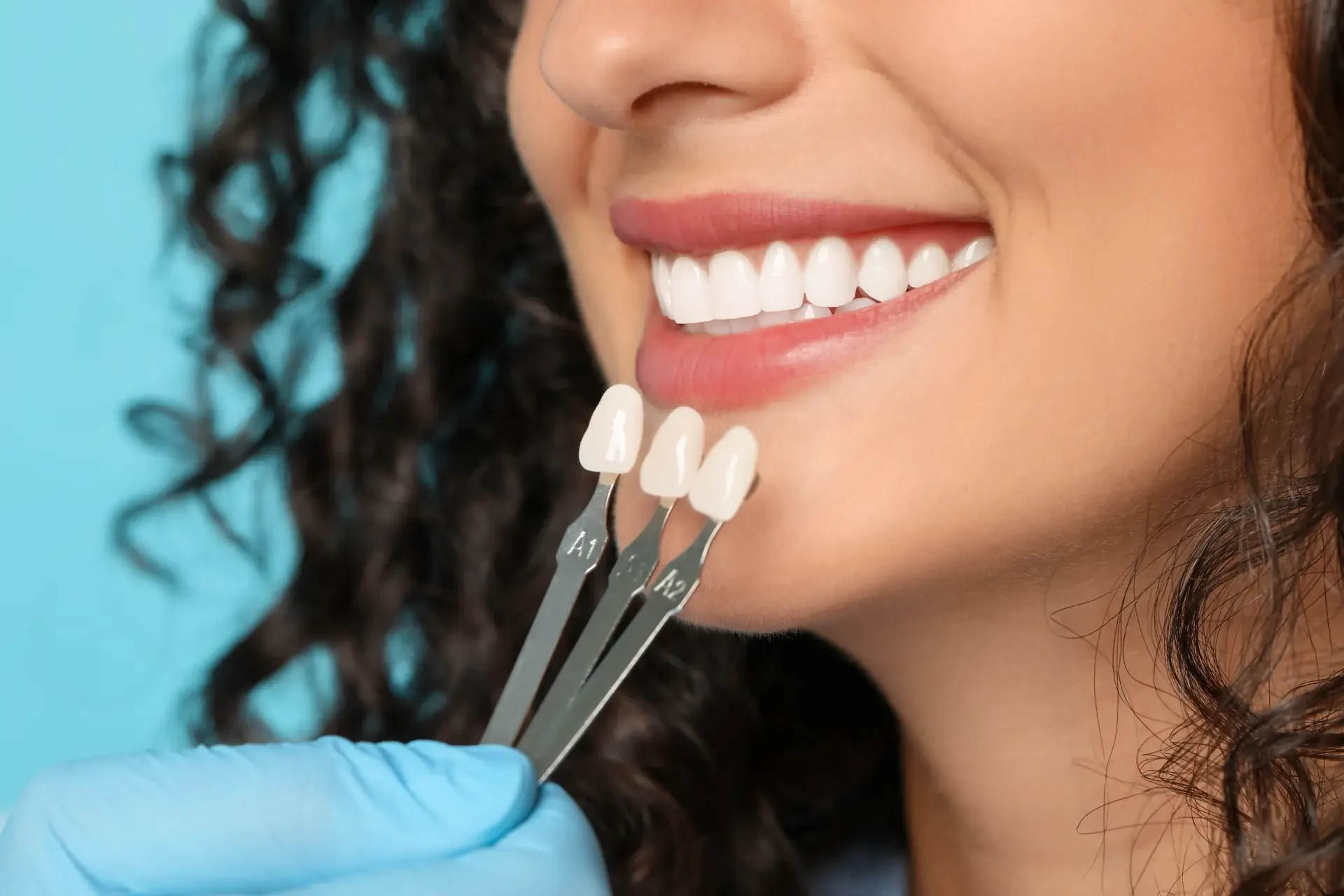
Not all smile makeovers are created equal—and that’s where things can get confusing. Veneers and teeth whitening are two of the most popular options, but they solve different problems.Are you dealing with stains, or do you want to fix chips, gaps, or uneven teeth too? The answer matters.Choosing the right option doesn’t have to be overwhelming, though. Once you understand how each one works, it becomes much easier to figure out what suits your needs. Let’s take a closer look so you can make a choice that actually works for your smile and your lifestyle. Are Veneers Better Than Teeth Whitening For Stained Teeth? It depends on the type and severity of staining. When Teeth Whitening Works Best Teeth whitening is ideal for: It can brighten your smile several shades in a short amount of time. Professional options like teeth whitening treatments are especially effective compared to over-the-counter products. When Veneers Are the Better Choice Veneers are better for: Why Veneers Offer More Coverage Unlike teeth whitening, which lightens existing enamel, veneers completely cover the front of your teeth. This allows for: If your stains are stubborn, veneers are often the more effective solution. Learn more about the dental veneer process from consultation to reveal to understand how they work. How Long Do Veneers Last Compared to Whitening Results? Longevity is one of the biggest differences between veneers and teeth whitening in Pompano Beach, FL. Lifespan of Veneers Veneers typically last 10 to 15 years, sometimes longer with proper care. They are designed as a long-term cosmetic solution and are offered through veneers services for lasting results. Duration of Whitening Results Teeth whitening results usually last 6 months to 2 years, depending on lifestyle habits. According to the American Dental Association’s guidance on tooth whitening, results vary based on diet and oral hygiene. Why Whitening Fades Whitening results fade over time due to: Long-Term Comparison If you’re looking for a lasting solution, veneers provide more durability, while teeth whitening may require periodic touch-ups. Can Whitening Fix Deep Discoloration Like Veneers? In most cases, no. Limitations of Teeth Whitening Teeth whitening works by: However, it cannot: Types of Stains That Don’t Respond Well Whitening may struggle with: Why Veneers Work Better Veneers completely mask discoloration by: For deep or stubborn stains, veneers are usually the more reliable option. Many patients also explore the psychology behind dental veneers when considering this transformation. Are Veneers More Expensive Than Teeth Whitening? Yes, veneers are significantly more expensive than teeth whitening. Cost Comparison Why Veneers Cost More The higher cost of veneers is due to: Value Over Time While teeth whitening is more affordable upfront, veneers: Budget Considerations If you’re looking for a quick and affordable improvement, teeth whitening is a great starting point. If you want a full smile transformation, veneers may be worth the investment. Do Veneers Damage Your Natural Teeth? This is a common concern for many patients. The Truth About Veneers Placing veneers involves: Is It Harmful? When done correctly, veneers: Important Consideration Because enamel is removed, the process is: Why Professional Placement Matters Choosing an experienced dentist ensures: Which Option Gives More Natural-Looking Results? Both veneers and teeth whitening can look natural, but they achieve it differently. Natural Look with Teeth Whitening Teeth whitening enhances your natural teeth by: This creates a subtle, natural improvement. Natural Look with Veneers Modern veneers are designed to: Which Looks Better? Both can look natural when done properly. Is Teeth Whitening Enough For Severely Discolored Teeth? In many cases, no. When Whitening Falls Short Teeth whitening may not be enough if: When Veneers are Recommended Veneers are often the better choice for: Combining Treatments Some patients start with teeth whitening and later choose veneers for: Final Thoughts Choosing between veneers and teeth whitening comes down to your goals, budget, and the condition of your teeth. Teeth whitening in Pompano Beach, FL is a quick, affordable way to brighten your smile, while veneers offer a long-lasting solution for more complex cosmetic concerns. If your goal is a subtle refresh, whitening may be all you need. But if you’re looking for a dramatic, long-term transformation, veneers could be the better option. Your Smile, Your Choice, Let’s Find What Fits You Best Deciding between teeth whitening and veneers can be a big step, especially when you want results that feel right for you. It’s not just about looks—it’s about what fits your lifestyle and what makes you feel comfortable. By understanding your options and getting the right guidance, you can move forward with a plan that helps you feel confident and happy with your smile over time. Talk to our experts at Jaline Bocuzzi, DMD, PA // JBDentistry to know which one suits you best.
Invisalign vs Braces: Which Option Works Faster?

Want a straighter smile fast? That’s usually the first question people ask when choosing between Invisalign and braces.Both options can get great results, but the timeline isn’t always the same. It really depends on your teeth, your habits, and how consistent you are with treatment. Some cases move quicker with braces, while others respond well to Invisalign. The key is understanding what affects the speed and what works best for your lifestyle. If you’re trying to decide which option can get you to your goal sooner, it helps to look at how each treatment actually works day to day. Is Invisalign Faster Than Traditional Braces? In many cases, Invisalign can be faster, but it depends on the situation. When Invisalign is Faster Invisalign often works quicker for: Because the treatment is digitally planned, each aligner is designed to move teeth efficiently step by step. When Braces are Faster Traditional braces may be faster for: Braces apply constant pressure, which can be more effective in these situations. The Key Factor: Compliance The speed of Invisalign heavily depends on how consistently you wear your aligners. If you don’t wear them for the recommended 20–22 hours per day, treatment will take longer. How Long Does Invisalign Take Vs Metal Braces? Understanding the average treatment timeline helps set realistic expectations. Invisalign Timeline Most Invisalign treatments take 6 to 18 months. Some minor cases can be completed in as little as 6 months. If you’re curious about appointment frequency, you can also learn more about how long Invisalign appointments typically last. Braces Timeline Traditional metal braces typically take 12 to 24 months. More complex cases may take even longer. Why Invisalign Can Be Shorter Why Braces May Take Longer Braces are often used for more complex issues, which naturally require more time to correct. Which is More Effective For Severe Misalignment? When it comes to severe alignment issues, braces still have an advantage. Why Braces Excel Braces are more effective for: They provide continuous force and precise control. Invisalign Capabilities Modern Invisalign technology has improved significantly and can now handle: When Braces are Recommended For the most challenging cases, dentists may still recommend braces as the primary treatment. If you’re unsure who to consult, understanding the difference between providers can help, such as in this guide on dentist vs orthodontist. Do Braces Move Teeth Quicker Than Aligners? It depends on the type of movement required. Continuous Pressure with Braces Braces work 24/7, applying constant pressure to: Controlled Movement with Invisalign Invisalign uses a series of aligners to: Speed Comparison The Role of Patient Responsibility Unlike braces, Invisalign requires discipline. Skipping wear time can slow progress significantly. Can Invisalign Fix Complex Orthodontic Issues? Invisalign has come a long way, but it still has limitations. What Invisalign Can Handle Invisalign is effective for: Advances in Technology With attachments and advanced planning, Invisalign can now address more complex movements than before. According to the American Association of Orthodontists, clear aligner technology continues to evolve, expanding treatment possibilities. Limitations However, extremely complex cases may still require traditional braces or a combination of both treatments. Personalized Evaluation The best way to know if Invisalign is right for you is through a professional consultation. Which Option Requires Fewer Dental Visits? Convenience is another factor when choosing between braces and Invisalign. Invisalign Appointments With Invisalign, you typically: Braces Appointments Braces require: Why Invisalign Requires Fewer Visits Because treatment is pre-planned digitally, fewer in-office adjustments are needed. Ideal for Busy Lifestyles Invisalign is often preferred by: Does Invisalign Work For Adults as Well as Braces? Yes, Invisalign is especially popular among adults. Why Adults Prefer Invisalign Adults often choose Invisalign because it is: Effectiveness for Adults Invisalign works just as well for adults as it does for teens, as long as: Braces for Adults Braces are still a great option for adults, especially for: Lifestyle Considerations For many adults, the discreet nature of Invisalign makes it the preferred choice. Final Thoughts So, which option works faster, braces or Invisalign? The answer depends on your specific dental needs. Invisalign often provides quicker results for mild to moderate cases, while braces remain the go-to solution for more complex orthodontic challenges. Speed isn’t the only factor to consider. Comfort, convenience, appearance, and long-term results all play a role in choosing the right treatment. The best way to decide is through a personalized evaluation that considers your unique smile. Find the Faster Path to Your Perfect Smile Choosing between Invisalign and braces can feel like a big decision, especially when your daily routine and comfort matter. With the right guidance, it becomes easier to find an option that aligns with what you want and how you live. From your first visit to the final results, the focus stays on helping you achieve a healthier, more confident smile at your own pace. At Jaline Bocuzzi, DMD, PA // JBDentistry, we’re here to help you choose the treatment that fits your goals and your lifestyle. Whether you’re visiting a trusted dentist in Oakland Park, FL or exploring care with a dentist in Lauderdale Lakes, FL, our team will guide you every step of the way toward a straighter, healthier smile. Schedule your consultation today and take the first step toward results you’ll love.
Dental Veneers and the Rise of Natural Imperfection in Cosmetic Dentistry

For years, the gold standard in cosmetic dentistry was simple: straight, gleaming white teeth that looked like they’d been carved from marble. Symmetry reigned. Whiteness dominated. And veneers were the fast track to a picture-perfect smile. But something unexpected has happened in recent years. Perfection, it seems, is out. Slight irregularities? In. People aren’t chasing perfect anymore—they’re chasing personal. And in the world of dental veneers, that means leaning into the very imperfections we once tried to erase. Let’s take a closer look at how veneers are evolving and why more patients and dentists are embracing subtle, natural-looking enhancements over uniform, ultra-bright smiles. Why are Dental Veneers Shifting Toward a More Natural Imperfect Look? Trends in beauty always reflect bigger cultural movements, and teeth are no exception. Social media may have amplified the “Hollywood smile” for a while, but it’s also played a surprising role in ushering in the natural look. What once felt aspirational—blindingly white, ultra-even veneers—now feels, in some circles, artificial. More people are realizing that when everyone’s teeth look the same, they stop looking real. Patients are asking for something that looks less like a dental makeover and more like a slightly elevated version of their own smile. In response, cosmetic dentistry is shifting from “perfecting” to “preserving.” Here’s what’s fueling this more organic trend: The shift in veneers mirrors the larger cultural movement toward “effortless” beauty—the kind that looks untouched, even when it’s very carefully crafted. How Do Natural Looking Dental Veneers Differ From Traditional Cosmetic Veneers? The differences are subtle—but intentional. Traditional veneers often aimed to create a flawless, symmetrical, impossibly white set of teeth. The results were stunning in photos, but sometimes unnerving in person. They didn’t always move naturally or reflect light the way real enamel does. Natural-looking veneers take a softer approach. The materials, techniques, and design philosophy have all evolved to mimic real teeth, not idealized ones. Here’s how the two styles compare: Traditional Veneers Natural-Looking Veneers Patients choosing this modern approach aren’t asking to be transformed—they’re asking to feel like themselves, only better. Dentists today often work hand-in-hand with skilled ceramists to craft each veneer individually. It’s no longer a cookie-cutter process. Every little detail, down to how light bounces off the incisal edge, matters. What is Driving the Demand For Imperfection in Modern Cosmetic Dentistry? You might be surprised to hear this—but imperfection, when done right, is actually harder to achieve than perfection. It takes a skilled eye and a nuanced hand to create something that looks untouched. So why are people asking for it? 1. Social Media & the Filter Effect Ironically, the rise of Instagram and TikTok has made people hyper-aware of what doesn’t look real. We’re so used to filters and digital enhancements that we now crave authenticity when we see real life. That includes teeth. 2. Celebrities are Leading the Charge Many public figures are trading in ultra-white, hyper-sculpted smiles for more natural upgrades. Some have even reversed their veneers or replaced them with ones that better reflect their current, more mature aesthetic. 3. Self-Expression Modern dental patients see their smile as part of their identity. Rather than chasing a one-size-fits-all look, they want veneers that reflect who they are, quirks and all. 4. Cultural Sensitivity In a more globalized and diverse society, there’s greater recognition that beauty standards aren’t universal. What’s ideal in one culture may not be in another—and many people are embracing features that reflect their heritage, not erase it. 5. Aging Gracefully Younger generations are already shifting away from the idea that youth equals beauty. Minimally enhanced veneers allow for a polished but age-appropriate look that doesn’t scream “cosmetic work.” This new generation of cosmetic dentistry patients is thoughtful, educated, and not afraid to say, “I don’t want my teeth to look perfect. I want them to look like mine.” Are Minimally Enhanced Dental Veneers Becoming More Popular Than Ultra White Veneers? In a word: yes. Minimally enhanced veneers aren’t just trendy—they’re redefining what “cosmetic” means in dentistry. There was a time when people walked into dental offices saying, “I want a celebrity smile.” Now, they say things like: Minimally enhanced veneers are all about restraint. The focus is on: The result? Smiles that don’t shout “cosmetic dentistry,” but instead quietly radiate confidence. It’s worth noting that some patients still prefer the bold, ultra-white look. There’s nothing wrong with that. But the pendulum has clearly swung toward subtlety, especially among younger patients and professionals who value authenticity. Ready for a Smile That Still Feels Like You? At Jaline Bocuzzi, DMD, PA // JBDentistry, we believe cosmetic dentistry should reflect your personality—not someone else’s idea of perfect. If you’re curious about natural-looking veneers or ready to explore how a subtle smile refresh can make a big difference, let’s talk. Your perfect smile might just be the one with a little character. Let’s find it together.
The Cultural Shift Making Dental Veneers a Mainstream Confidence Booster
Veneers used to feel like a “celebrity only” thing. Now? They’re becoming a normal confidence move for everyday people. Scroll through social media, hop on a video call, or look at modern selfies and you’ll see it: smiles are more visible than ever. And when your smile is always on display, small flaws can feel bigger. That’s where veneers come in. They’re not just about looking perfect, they’re about feeling comfortable. People are choosing veneers to fix chips, stains, gaps, and uneven teeth, but the bigger change is cultural. We’re living in a time where personal upgrades are more accepted, and “doing something for yourself” isn’t seen as vain anymore. Why are Dental Veneers Becoming More Common in Modern Cosmetic Dentistry? There’s a simple explanation for the rise of veneers: people today care deeply about their smile, and veneers offer a fast, reliable, beautiful way to improve it. But the reasons go deeper than that. 1. Veneers offer predictable, customizable results. Unlike some cosmetic treatments that take months or depend heavily on biology, veneers provide immediate improvement, long-lasting results, and personalized shape, shade, and style. For people who want a transformation without uncertainty, veneers are the perfect fit. 2. Technology has made veneers better than ever. Modern veneers are thinner, stronger, and more natural-looking. Advancements in materials allow dentists to create smiles that look real—not cookie cutter, not bulky, not artificial. 3. People value convenience. Adults with busy lives aren’t looking for multi-year solutions with countless appointments. Veneers offer major improvements in just a few visits. 4. Cosmetic dentistry is no longer “taboo”. Gone are the days when people felt embarrassed about enhancing their smile. Cosmetic dentistry is now seen as a form of personal care, not vanity. 5. Dental confidence affects emotional confidence. People now understand the connection between oral health, appearance, and self-esteem. When your teeth look good, you feel good and that matters in everyday life. 6. Social media has normalized aesthetic treatments. More on that later, but yes, Instagram, TikTok, and YouTube deserve partial credit. All of these factors together have shifted veneers from a specialized treatment into something many people consider accessible and even essential. How Did Dental Veneers Evolve Into a Mainstream Choice For Improving Confidence? The road to widespread acceptance didn’t happen overnight. Veneers went through a cultural evolution—one shaped by aesthetics, technology, and changing attitudes. 1. Early veneers were purely cosmetic and temporary Originally designed for film sets in the 1920s, veneers were worn by actors for specific scenes. They weren’t permanent, functional, or widely available. 2. Dentistry improved, and so did veneers Veneers have gotten way better over the years, moving from older acrylic options to porcelain and now ultra-thin ceramics. For you, that means a smile upgrade that looks more natural, holds up longer, and often fits your budget better than veneers did in the past. 3. The rise of smile makeovers changed everything Makeover shows and dental transformations showcased veneers as life-changing.Viewers saw: People understood visually and emotionally the power of veneers. 4. Dentists began offering more personalized outcomes Early veneer work sometimes looked too uniform or “Hollywood white.” Modern dentistry focuses on customization: The more natural veneers became, the more everyday people embraced them. 5. Confidence became a priority, not a luxury As society encouraged self-care and self-improvement, veneers fit naturally into that mindset. Today, veneers are not just about appearance—they’re about empowerment. People see them as an investment in themselves rather than a cosmetic secret. What Cultural Factors are Influencing More People to Choose Dental Veneers? Cosmetic dentistry doesn’t exist in a vacuum. Cultural shifts—from social media norms to evolving beauty standards—play a huge role in veneers becoming part of mainstream conversation. 1. The rise of digital-first social interactions We spend more time seeing ourselves on: People are more aware of their smile today than any previous generation. 2. Aesthetic trends lean toward “polished but natural” There’s a cultural preference for: Veneers deliver exactly that—when done well. 3. Self-improvement is now socially encouraged From fitness to mental health to skincare, people are embracing personal growth. Veneers fit into this broader cultural movement of investing in oneself. 4. Influencers have made veneers relatable Not just celebrities—everyday influencers have openly shared their veneer journeys: This transparency makes veneers feel accessible, not elitist. 5. People value instant transformation In a world used to quick results, from next-day delivery to instant streaming, veneers offer a fast, impactful change that resonates with modern expectations. 6. Dentistry is seen as part of wellness, not just teeth Smile confidence impacts social comfort, dating, job interviews, self-esteem, and mental wellbeing. As culture shifts toward holistic wellbeing, veneers naturally find their place in the conversation. Cultural momentum isn’t an accident—it’s a sign that people now view veneer treatment as a practical, empowering choice. How Do Social Trends Play a Role in The Rising Popularity of Dental Veneers? Social trends don’t create veneers, but they absolutely amplify their appeal. Certain trends have shaped how people view cosmetic treatments and what they consider “normal.” 1. The “picture-perfect smile” trend Between selfies, holiday photos, and social posts, smiles are captured constantly. Veneers help people feel confident about every angle. 2. The transparency of cosmetic enhancements We live in a time when people proudly talk about: This honesty removes the stigma from smile enhancements. 3. The “glow-up” culture Whether it’s a new job, a milestone birthday, or post-breakup confidence, glow-ups often include smile improvements. 4. The wellness-first mindset People want to feel good—not just look good. Veneers bridge the emotional and aesthetic worlds. 5. Generational acceptance Younger adults see veneers as a normal part of personal care, not something to hide.Older adults now feel it’s “finally time” to invest in themselves. 6. Professional expectations In many industries, confidence and appearance go hand in hand. Veneers help people feel prepared and polished. Social trends aren’t just influencing veneer popularity—they’re turning veneers into a personal confidence essential rather than a cosmetic luxury. Your Smile Deserves the Spotlight — Let JBDentistry Help
How Clear Braces Became a Silent Driver of Adult Smile Transformations

Crazy how a simple smile tweak can change your whole vibe, right? For a lot of adults, that quiet boost of confidence is coming from something most people don’t even notice: clear braces. Unlike the metal brackets you remember from high school, today’s clear aligners let you straighten your teeth without broadcasting it to the world. You can go to work, grab coffee, or hop on Zoom without feeling self-conscious. Let’s walk you through how clear braces became the “silent driver” behind so many adult smile glow-ups, why they’re so popular, and what makes them different from traditional braces. If you’ve ever thought, “Is it too late to fix my smile?” this is for you. How Do Clear Braces Help Adults Improve Their Smile Without Drawing Attention? Adults who choose orthodontic treatment often share the same concern:“I want to fix my teeth… but I really don’t want people staring at my braces.” Clear braces solve this problem beautifully. 1. They blend seamlessly with natural teeth. Clear brackets are designed to be subtle. They don’t glint in the light. They don’t shine. They don’t call out, “Look! I’m orthodontic treatment!” They simply sit quietly on the teeth, almost camouflaged. 2. The material makes them less reflective. Unlike metal braces that catch light from every angle, clear ceramic braces have a matte, tooth-toned appearance. That means fewer reflections, fewer photos revealing them, and fewer conversations where people notice anything at all. 3. They’re perfect for professional environments. Whether you spend your days in client meetings, presenting to colleagues, or navigating leadership roles, clear braces maintain a polished, mature appearance. 4. They help adults feel “normal” while improving their smile. No one wants to feel like they’re going backward in time. Clear braces allow adults to continue their daily routines—smiling at coworkers, going to dinner, showing up on camera—without the self-consciousness metal braces sometimes bring. 5. They don’t interfere with your personality. Clear braces support your smile without dominating it. They let your expressions, warmth, humor, and natural charm shine through uninterrupted. Clear braces don’t need attention. They just quietly do the work while you live your life. What Makes Clear Braces Different From Traditional Metal Options For Adults? At a glance, clear braces may look like traditional braces—minus the metallic shine—but the differences run deeper. 1. Material matters: ceramic vs. metal. Clear braces use ceramic brackets that match the color of your teeth.Metal braces use stainless steel brackets that stand out immediately. Ceramic = discrete and elegantMetal = visible and sometimes bulky 2. Clear braces cause less visual disruption. Adults often prefer orthodontic systems that don’t drastically alter their personal appearance, especially in the workplace. Clear braces offer quiet refinement. 3. They provide comfort with a smoother feel. Ceramic brackets are intentionally designed to be smoother and less abrasive against the inner lips and cheeks. 4. They maintain strength and efficiency. While smaller and more attractive, modern ceramic braces are strong enough to correct mild to moderate alignment issues, including crowding, spacing, rotations, and bite inconsistencies. 5. Clear braces are more socially comfortable for adults. Adults choosing orthodontic care often prioritize: Clear braces meet all of these demands without compromise. 6. They offer a better blend of structure and discretion. Some adults want the predictable reliability of braces, but not the visibility of metal. Clear braces bring the best of both worlds. In short: clear braces deliver the effectiveness of traditional orthodontics with none of the awkwardness. Why are More Adults Choosing Clear Braces For Smile Correction? The steady rise in adults seeking orthodontic care is one of the most interesting trends in dentistry today. Clear braces are at the heart of that surge—and for good reason. 1. Adults want confidence more than ever. People often associate orthodontics with teenagers, but adults are increasingly choosing treatment to: A straighter smile isn’t just cosmetic—it impacts how people communicate, connect, and show up in the world. 2. Clear braces offer a discreet path to self-improvement. Adults are more comfortable investing in themselves, but they still value subtlety.Clear braces allow them to improve their smile without answering questions like:“Why did you get braces at your age?” 3. Technology made orthodontics better and easier. Modern orthodontic systems use smaller brackets, advanced materials, faster tooth movements, and improved comfort. Adults today can achieve results their parents never could have imagined. 4. People are living more socially active lives. In-person interaction, virtual meetings, and social media all keep us on camera more than ever before. A confident smile carries new importance. 5. Adults care more about oral health now. Many adults pursue clear braces not just for appearance but to: 6. The stigma around adult braces has faded. What once felt embarrassing now feels empowering.Adults taking control of their smile is seen as a sign of self-care, not self-consciousness. Clear braces fit perfectly into modern adult life—practical, subtle, effective, and confidence-building. How Long Does It Typically Take For Adults to See Results With Clear Braces? One of the biggest misconceptions is that adult orthodontic treatment takes forever. In reality, clear braces often deliver visible improvements much faster than people expect. 1. Early changes appear within weeks. Most adults notice less crowding, more even alignment, and subtle shifts after just a few weeks of treatment. 2. The full treatment timeline varies depending on complexity. Most adults complete treatment in 12–24 months, but this can change based on the severity of misalignment, bite issues, spacing needs, and tooth movement goals. 3. Consistency is key. Regular appointments ensure steady adjustments, predictable movement, and progress without delays. 4. Motivation increases as results appear. Once adults see early changes, they often feel more committed and excited about the process. That excitement fuels momentum. 5. Little lifestyle adjustment is needed during treatment. Because clear braces integrate easily into daily routines, adults stay consistent without needing major changes. While every smile is unique, the journey is often smoother, faster, and more manageable than expected. Transform Your Smile Quietly, Confidently, and Beautifully — Visit JBDentistry
The Surprising Role of Dental Care in First Impressions and Social Perception
Your smile speaks before you do. It is often the first thing people notice, and it can shape how they see you in just a few seconds. Dental care plays a bigger role in this than most people realize. Clean, healthy teeth make you look more confident, approachable, and comfortable in your own skin. Meanwhile, dental issues can make you hold back without even noticing. When you feel good about your smile, you naturally express yourself more openly. That small boost can change everything from how you greet someone to how you handle a conversation. Understanding this connection helps you see dental care as more than a routine. It becomes a simple way to feel better around others. How Does Dental Health Influence The Way Others Perceive Someone During a First Meeting? When someone smiles at you, your brain isn’t just seeing teeth. It’s reading emotional cues, assessing habits, detecting confidence, and forming judgments, often in a fraction of a second. Dental health isn’t the only part of a first impression, but it’s one of the most visible and one of the hardest to hide. What Connection Exists Between a Person’s Smile and Social Confidence? Confidence isn’t just a mindset. It’s a physical presence, a way of being in the room. And the smile plays a surprisingly central role in shaping how confident someone feels. The connection between dental care and confidence is real and often underestimated. In What Ways Can Oral Hygiene Affect Overall Social Interactions? Oral hygiene may feel like a private matter, but in reality, it affects every close interaction we have. Social moments happen face-to-face, and our mouths are right in the middle of every conversation. According to the CDC’s oral health guidance, oral health is closely connected to overall health and well-being, which helps explain why it can have such a visible effect on everyday interactions. Good oral hygiene is more than a routine; it’s a social asset. It is also why many patients benefit from reading more about why regular teeth cleaning is essential for oral health and how preventive care supports confidence as well as health. Why Do People Form Quick Judgments Based on the Appearance of Someone’s Teeth? We like to believe that we’re impartial and open-minded, but human nature leans toward quick impressions. Teeth are one of the fastest cues people use because they’re immediately visible and deeply tied to social meaning. And because they’re changeable, people judge them more critically. That idea is explored even further in the surprising role of dental care in first impressions and social perception. Your Smile Shapes Every First Impression — Let JBDentistry Help You Make It Count At Jaline Bocuzzi, DMD, PA // JBDentistry, we believe your smile should empower you, not hold you back. Whether you want to improve dental health, brighten your smile, boost your confidence, or simply feel more comfortable meeting people face-to-face, we’re here to help you every step of the way. Our approach is warm, personal, and tailored to what you want, not a one-size-fits-all plan. Because your smile isn’t just part of your appearance. It’s part of your story. And it deserves care that feels intentional and uplifting. Ready to create a smile that makes every first impression feel effortless? Contact JB Dentistry today and let’s build your confidence from the inside out.
Inside the Chair: What Your Teeth Reveal During a Dental Cleaning
There’s something oddly revealing about sitting in a dental chair. You lean back, open your mouth, and suddenly, your teeth start telling your story—sometimes one you didn’t even know you were sharing. From your morning coffee habit to how often you really floss, your mouth gives away little secrets with every cleaning. It’s not about judgment; it’s about awareness. Dental cleanings are more than just polishing teeth. They’re like your oral health report card. Every scrape, every rinse, every quick glance from your hygienist offers insight into how your teeth and gums are doing, and what might need attention. So, what exactly do your teeth say about you when you’re in the chair? Let’s take a peek behind the scenes. What Can a Dentist Detect During a Routine Dental Cleaning? You might think a cleaning is all about removing plaque and leaving with that “just-brushed” freshness, but your dentist sees a lot more than you might realize. Think of a cleaning as a full inspection for your mouth, a combination of detective work, artistry, and science. During your routine visit, your dentist and hygienist can pick up on a wide range of clues about your oral and overall health, including things that have nothing to do with cavities. A thorough dental exam often works hand in hand with your cleaning to spot these issues early. Here’s what they’re really looking for: It’s like a health check-up that just happens to start with your smile. Your dentist isn’t just cleaning. They’re reading your mouth like a storybook, looking for chapters that might need a little editing before the plot thickens. How Do Dental Cleanings Reveal Signs of Oral Health Problems? You might not realize it, but a dental cleaning can reveal a lot about your health long before symptoms appear. That’s because your mouth is one of the first places your body shows signs of imbalance. When your hygienist starts cleaning your teeth, they’re doing more than polishing away coffee stains. They’re assessing how your gums respond, where plaque tends to accumulate, and whether your tissue looks healthy. This is one reason professional teeth cleaning plays such an important role in preventive care. Here’s how the process becomes diagnostic: 1. Gum Response Healthy gums shouldn’t bleed during cleaning. If yours do, it can be a sign of inflammation or gum disease. Even a little bleeding can indicate that bacteria have made their way under the gumline. 2. Tartar Patterns Tartar buildup, that hard, yellowish crust on your teeth, tells a story. Heavy buildup in certain areas can reveal where you tend to miss while brushing or flossing. 3. Enamel Wear Your hygienist can see patterns of enamel erosion that suggest acid damage, often caused by too many acidic foods, soda, or even acid reflux. 4. Dry Mouth Clues A sticky or dry mouth can signal that you’re not producing enough saliva. That might sound minor, but saliva is your mouth’s natural defense system. It helps fight bacteria and wash away debris. 5. Tooth Mobility If a tooth moves even slightly, it can be an early sign of bone loss or advanced gum disease. This is why regular cleanings are essential. Dentists can catch small changes before they turn into big issues. Think of your dental cleaning as a wellness scan for your mouth. It’s not just about removing buildup. It’s about catching the whispers of potential problems before they start shouting. Why Do Gums and Teeth Show Early Warning Signs During a Cleaning? If you’ve ever wondered why your gums are the first to “complain,” it’s because they’re incredibly sensitive to change. Gums are like the warning lights on your dashboard. They respond quickly when something’s off, whether it’s poor brushing, hormonal changes, or underlying health issues. Gums as Early Messengers When your hygienist notices redness or swelling, that’s your gums waving a flag. They’re saying, “Hey, something’s not right here.” This inflammation is your body’s immune response to bacteria building up around the gumline. Left untreated, it can progress into gum disease, which not only affects your mouth but can also increase your risk for systemic issues like heart disease or diabetes. The National Institute of Dental and Craniofacial Research explains how gum disease often begins with inflammation that can worsen over time if ignored. Teeth Tell Their Own Story Too Your teeth also act like a diary. They record your habits, from the good to the not-so-great. These aren’t just cosmetic concerns. They can impact how your teeth fit together and how your jaw functions. The Bigger Picture Because your mouth is connected to your bloodstream, early gum changes can sometimes indicate broader health conditions. For instance: It’s fascinating, and a little humbling, to realize that your dentist can see hints of your overall health just by looking at your gums and teeth. They’re not just treating your mouth. They’re watching over your well-being. What Do Plaque and Tartar Buildup Indicate About Your Oral Hygiene Habits? Before you cringe, remember: even the most diligent brushers deal with them. The key isn’t perfection. It’s awareness. Plaque is that soft, sticky film that forms on your teeth after eating or drinking. It’s filled with bacteria that feed on sugars and produce acids. If plaque isn’t removed daily through brushing and flossing, it hardens into tartar, which can only be removed professionally. If you want to dig deeper into how preventive visits protect more than just your smile, read Beyond Fresh Breath: How Regular Dental Cleanings Protect Your Health and Why Regular Teeth Cleaning Is Essential for Oral Health. What Your Dentist Sees in the Chair When your hygienist starts scraping tartar, they’re not judging. They’re learning. The location and amount of buildup tell them exactly how you’ve been brushing. Here’s what different patterns often reveal: Why It Matters Plaque and tartar buildup aren’t just about aesthetics. They’re bacteria magnets. The longer they stay, the more they irritate your gums, leading to inflammation, bad breath, and eventually gum disease. But here’s