If you’ve ever looked in the mirror and thought, “I love my smile… but I wish it were just a little brighter, straighter, smoother,” you’re not alone.
Dental veneers have become one of the most popular cosmetic treatments for exactly that reason. They offer dramatic results without surgery, months of orthodontics, or complicated downtime. But the question most people ask first isn’t about color or shape.
It’s this: How long does it take to get veneers?
Let’s clear that up right away.
For most patients, the full veneer process takes about three weeks from consultation to final placement. It usually involves three visits and roughly 3–4 hours of total chair time combined.
Of course, that timeline can vary depending on how many veneers you’re getting and whether any additional dental work is needed.
In this guide, we’ll walk step-by-step through the entire process, what it feels like, and what you can realistically expect.
What Dental Veneers Offer
Veneers are thin, custom-made shells—typically porcelain or ceramic—that are bonded to the front surface of your teeth. Think of them as precision-crafted covers that enhance the shape, size, and color of your natural teeth.
People choose veneers for many reasons:
- To brighten stubborn stains
- To fix chips and cracks
- To close small gaps
- To create a more symmetrical smile
- To feel more confident in photos
They’re not a shortcut—they’re a carefully designed cosmetic upgrade.
And yes, to address the big question early:
How long does a full set of veneers take?
If you’re getting 6–10 veneers on the upper front teeth (which is common), the timeline is typically the same three-week process. Larger full-arch cases may require additional planning or appointments.
What Dental Issues Can Veneers Correct?
Veneers are versatile, but they’re not magic. They work best for certain cosmetic concerns.
Chipped or Cracked Teeth
Minor chips and worn edges are ideal for veneers. Instead of bonding that may stain over time, veneers provide a long-lasting, seamless fix.
Severe Tooth Discoloration
Some stains simply don’t respond to whitening—especially those caused by:
- Medication
- Trauma
- Deep internal discoloration
Veneers can completely mask those stains with a natural, bright shade.
Minor Misalignment or Crooked Teeth
If your teeth are slightly uneven but not severely misaligned, veneers can create the appearance of straightness without braces.
Gaps and Uneven Tooth Shape
Small spaces or teeth that look too short or narrow can be reshaped with veneers for a balanced look.
When Veneers May Not Be the Best Option
Veneers aren’t ideal if:
- You have active gum disease
- Significant decay is present
- Severe bite misalignment exists
- You grind heavily without protection
A thorough exam ensures veneers are the right choice.
How Long Does It Take to Get Veneers?
Let’s break it down clearly.
- Average timeline: About 3 weeks
- Number of visits: Typically 3
- Total chair time: Around 3–4 hours combined
How long does a full set of veneers take?
For 6–10 veneers, the timeline is usually the same as a single veneer case—just slightly longer preparation time during appointments.
More complex full-mouth rehabilitation may take additional planning.
What is the 4-8-10 rule for veneers?
This rule helps plan smile design:
- 4 veneers: Minimal visible smile zone
- 8 veneers: Most common for full visible smile
- 10 veneers: For broader, high-smile lines
It’s about how many teeth show when you naturally smile—not a strict rule, but a design guideline.
Step 1 – Consultation and Smile Planning
This is where everything begins.
Oral Examination and X-Rays
Your dentist checks:
- Tooth structure
- Gum health
- Bite alignment
- Existing restorations
Healthy foundations matter.
Discussing Smile Goals
Bring inspiration photos. Talk about:
- Desired brightness
- Tooth shape
- Smile symmetry
- Natural vs. dramatic look
Determining If Veneers are Right for You
Sometimes whitening or bonding may be sufficient. Your dentist helps you weigh options.
Reviewing Alternative Cosmetic Options
You may discuss:
- Teeth whitening
- Invisalign
- Crowns
- Bonding
How painful is the veneer process?
This is one of the most common concerns.
The process is generally very comfortable. Local anesthesia is used during tooth preparation, and most patients report minimal discomfort afterward.
If you’re anxious, sedation options are often available.
Step 2 – Tooth Preparation, Impressions, and Temporary Veneers
This is the “design” appointment.
Removing a Thin Layer of Enamel
A very small amount of enamel—typically less than a millimeter—is removed. This allows the veneer to sit flush and look natural.
Numbing and Reshaping the Teeth
You’re numb during preparation. Most patients describe it as easier than getting a filling.
Taking Impressions or Digital Scans
Precise molds or digital scans are sent to a lab where your custom veneers are crafted.
Placing Temporary Veneers
Temporary veneers protect your teeth while the permanent ones are being made.
What to Expect While Wearing Temporary Veneers
- Mild sensitivity
- Slight differences in speech
- Temporary aesthetics
They’re functional but not as durable.
Care tips:
- Avoid sticky foods
- Be gentle while brushing
- Skip hard biting
Can you bite into an apple with veneers?
With temporary veneers, it’s best to avoid biting directly into hard foods.
With permanent veneers, yes—but use common sense. Avoid extreme force.
Step 3 – Final Veneer Placement and Long-Term Results
The big day.
Removing Temporary Veneers
Temporaries are gently removed.
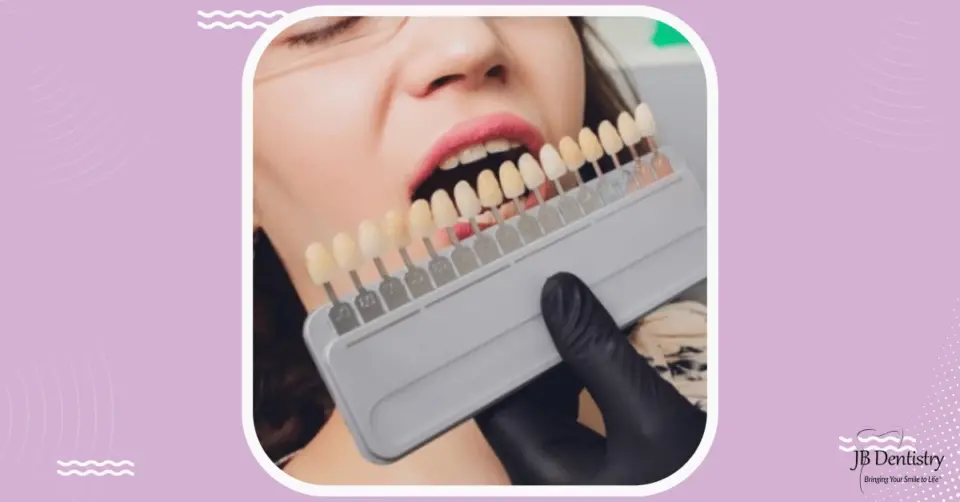
Checking Fit, Shade, and Bite
Your dentist ensures:
- Color matches expectations
- Fit feels natural
- Bite alignment is correct
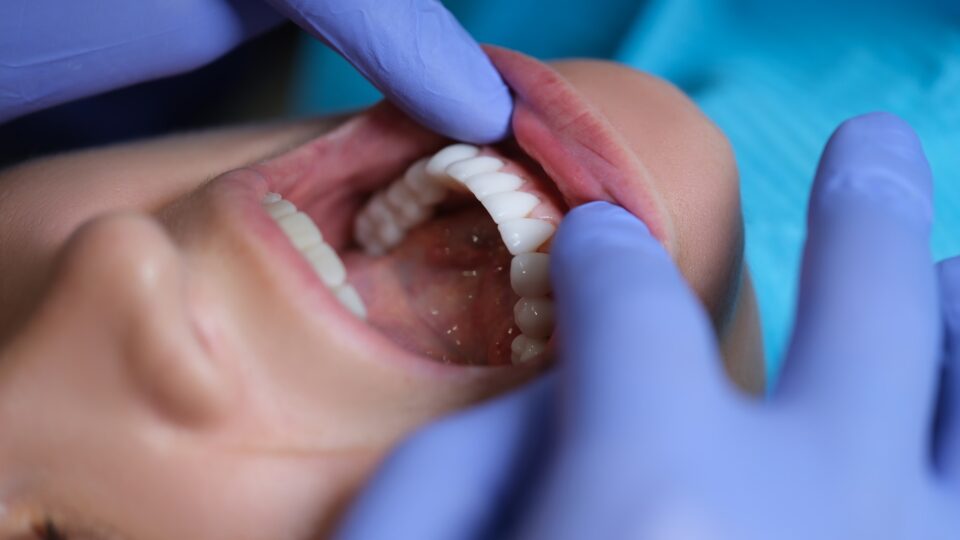
Bonding the Permanent Veneers
A special dental cement bonds the veneers securely. A curing light hardens the bond.
Final Adjustments and Polishing
Minor refinements ensure comfort and aesthetics.
How long do veneers last?
With proper care, veneers last 10–20 years.
Maintenance tips:
- Brush twice daily
- Floss regularly
- Avoid nail biting
- Wear a night guard if you grind
Recovery, Aftercare, and Are Veneers Worth It?
Most patients return to normal activity immediately.
Adjusting to Your New Smile
It may feel slightly different at first. Within days, it feels completely natural.
Oral Hygiene Recommendations
Treat veneers like natural teeth. Good hygiene protects both veneers and underlying teeth.
When to Contact Your Dentist
Call if you notice:
- Persistent discomfort
- Bite feels off
- Veneer loosening
Long-Term Cosmetic Benefits
- Bright, even smile
- Natural appearance
- Improved symmetry
- Durable stain resistance
And perhaps most important:
Confidence Boost
Many patients say veneers changed how they smile in photos, meetings, and social settings.
Are veneers worth it?
For the right candidate, absolutely.
They’re not a quick fix—they’re a carefully designed transformation.
Let’s Design Your Smile the Right Way
Your Smile, Thoughtfully Planned at Jaline Bocuzzi, DMD, PA // JBDentistry
If you’ve been wondering whether veneers are right for you—or how long the process would take—we’re here to guide you step by step.
At Jaline Bocuzzi, DMD, PA // JBDentistry, we take a personalized approach to smile design. We focus on balance, comfort, and natural aesthetics so your veneers don’t just look beautiful—they feel like you.
Schedule your veneer consultation today and let’s map out a smile plan designed specifically for you.