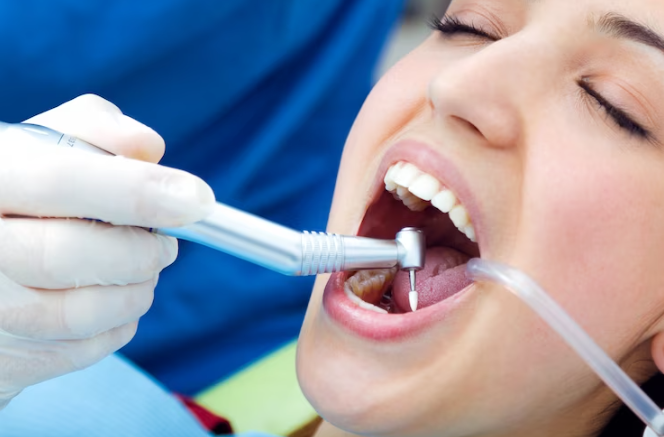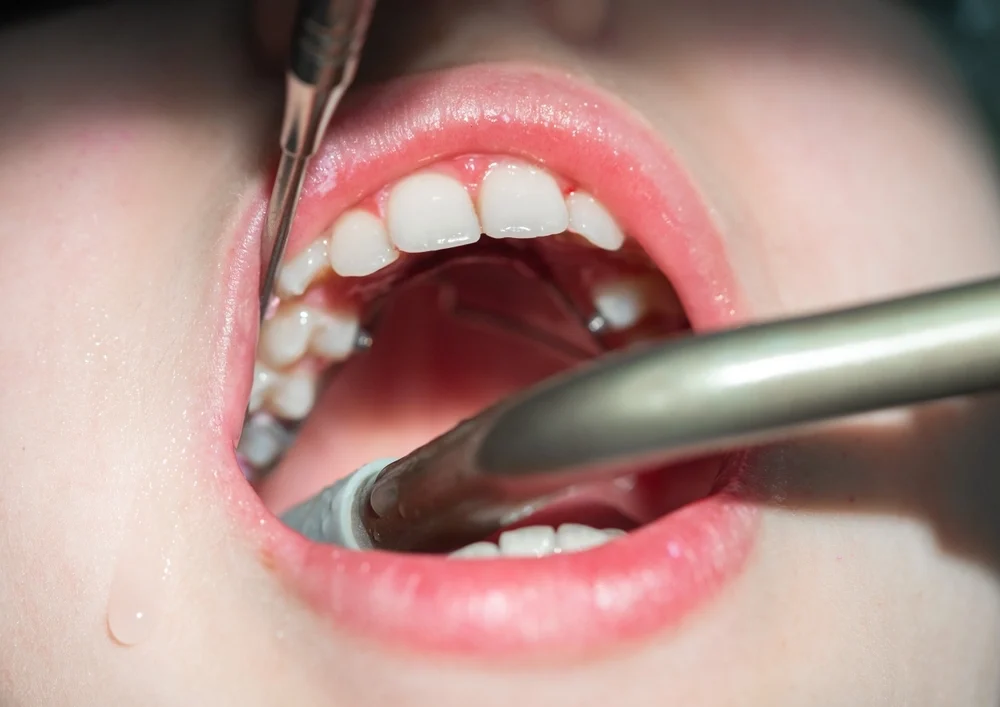
A deep teeth cleaning may be necessary when plaque, tartar, and bacteria spread below the gumline and begin causing gum disease. Bleeding gums, bad breath, gum recession, and deep periodontal pockets are common signs that a regular cleaning may no longer be enough.
Many patients mistake early gum disease symptoms for minor irritation and delay treatment too long. Understanding common scaling and root planing signs helps prevent worsening infection, bone loss, and long-term damage to the teeth and gums.
How Do You Know If You Need a Deep Dental Cleaning?
A dentist may recommend a deep cleaning when gum disease begins affecting the tissues below the gumline.
This type of treatment removes bacteria and tartar from areas regular cleanings cannot fully reach.
Gum Pocket Measurements Are Often the First Clue
During an exam, dentists measure the depth of the spaces between the gums and teeth. Healthy gums usually have shallow pockets.
Deeper pockets may indicate:
- Gum infection
- Bone loss
- Bacterial buildup
- Periodontal disease
Deep pockets are one of the strongest indicators that a deep teeth cleaning may be necessary.
Persistent Bad Breath May Signal Infection
Ongoing bad breath sometimes results from bacteria trapped below the gums.
If brushing and mouthwash do not improve the odor, bad breath may be connected to developing gum disease.
Tartar Buildup Below the Gums Matters
When tartar hardens below the gumline, regular cleaning tools may not remove it completely.
Subgingival buildup often requires deeper treatment through periodontal treatment.
Tooth Sensitivity May Also Increase
Inflamed or receding gums can expose sensitive root surfaces. This may cause discomfort when consuming:
- Hot drinks
- Cold foods
- Sweet foods
Sensitivity combined with bleeding or swelling should be evaluated professionally.
What Are the Warning Signs of Gum Disease Requiring Deep Cleaning?
Several symptoms may indicate periodontal disease serious enough to require deep cleaning treatment. The condition often progresses gradually.
Swollen or Red Gums Are Common Signs
Healthy gums should appear firm and light pink.
Inflamed gums may become:
- Puffy
- Tender
- Bright red
- Irritated
Inflammation often develops because of bacterial accumulation around the teeth.
Gum Recession May Indicate Advancing Disease
As gum disease worsens, the gums may pull away from the teeth.
This can make teeth appear:
- Longer
- More exposed
- Uneven
Receding gums often increase sensitivity and bacterial exposure.
Loose Teeth May Signal Bone Loss
Advanced gum disease can weaken the structures supporting the teeth.
Patients may notice:
- Tooth shifting
- Bite changes
- Tooth looseness
Bone loss often develops silently beneath the gums.
Pus or Discharge Around the Gums Is Serious
Visible pus near the gumline may indicate infection.
This requires prompt evaluation because untreated periodontal disease can continue damaging the gums and bone.
Recognizing these scaling and root planing signs early may help reduce the severity of future treatment needs.
Is Bleeding Gums a Sign You Need Deep Cleaning?
Yes. Bleeding gums are one of the most common early signs of gum disease and may indicate the need for deep cleaning treatment.
Healthy gums should not bleed regularly.
Bleeding During Brushing Is Not Normal
Many patients assume minor bleeding is harmless.
However, bleeding often indicates:
- Gum inflammation
- Plaque buildup
- Infection below the gumline
The longer inflammation remains untreated, the greater the risk of periodontal damage.
Flossing-Related Bleeding May Also Signal Disease
Occasional irritation can happen if flossing habits change suddenly.
Persistent bleeding during flossing may indicate:
- Gingivitis
- Early periodontitis
- Gum infection
Professional evaluation helps determine the severity of the condition.
Bacteria Trigger Inflammation
Plaque bacteria irritate gum tissue and cause inflammation. As inflammation worsens, the gums become more fragile and prone to bleeding.
Without treatment, infection may spread deeper below the gums.
Bleeding Combined With Other Symptoms Increases Concern
Bleeding becomes more serious when combined with:
- Bad breath
- Swelling
- Receding gums
- Tooth sensitivity
- Loose teeth
These combined symptoms often point to progressing gum disease.
What’s the Difference Between Deep Cleaning and Regular Cleaning?
A regular cleaning focuses on preventive care above the gumline, while a deep teeth cleaning treats infection and tartar buildup below the gums.
The two procedures serve different purposes.
Regular Cleanings Help Maintain Healthy Gums
Routine teeth cleaning appointments remove:
- Plaque
- Surface tartar
- Minor staining
These visits help prevent cavities and early gum disease. Most patients with healthy gums receive cleanings every six months.
Deep Cleaning Targets Periodontal Disease
Deep cleaning involves scaling and root planing. This process removes bacteria and hardened tartar from beneath the gums.
The roots are then smoothed to help the gums heal and reattach more effectively.
Deep Cleaning Often Requires Numbing
Because treatment extends below the gums, local anesthesia is commonly used. This helps improve patient comfort during the procedure.
Treatment Schedules May Differ
Regular cleanings are preventive maintenance.
Deep cleaning may require:
- Multiple visits
- Periodontal maintenance appointments
- More frequent monitoring
The goal is to stop infection progression and preserve gum health.
Can Deep Cleaning Reverse Gum Disease?
Deep cleaning can often stop or reverse early gum disease, but advanced periodontal damage may not be fully reversible.
Early treatment usually produces better outcomes.
Gingivitis May Be Reversible
Gingivitis is the earliest stage of gum disease. At this stage, the infection affects the gums but has not yet caused permanent bone damage.
Deep cleaning combined with improved oral hygiene may reverse inflammation successfully.
Periodontitis Requires Long-Term Management
Advanced gum disease involves:
- Bone loss
- Deep gum pockets
- Tissue damage
While treatment may stabilize the condition, lost bone and gum tissue may not fully regenerate naturally.
Scaling and Root Planing Reduces Bacterial Buildup
Removing bacteria below the gums helps reduce:
- Inflammation
- Bleeding
- Pocket depth
- Infection progression
This improves the chances of preserving the teeth long-term.
Home Care Remains Critical After Treatment
Professional treatment alone is not enough.
Patients must maintain:
- Daily brushing
- Flossing
- Regular dental visits
- Periodontal maintenance appointments
Good oral hygiene greatly improves long-term periodontal stability.
Patients noticing symptoms of gum disease in Pompano Beach, FL should seek professional evaluation before the condition worsens.
Final Thoughts
Recognizing early scaling and root planing signs can help prevent serious periodontal damage and long-term tooth loss.
Symptoms such as bleeding gums, bad breath, gum recession, deep pockets, and loose teeth often indicate that a regular cleaning may no longer be enough.
A professional deep teeth cleaning removes harmful bacteria and tartar from below the gumline to help control infection and improve gum health. Early treatment usually produces the best results, especially before significant bone loss occurs.
Consistent home care and regular dental visits remain essential for maintaining healthy gums and long-term oral stability.
Protect Your Gums Before Small Problems Turn Bigger
At Jaline Bocuzzi, DMD, PA // JBDentistry, we believe patients deserve honest guidance and personalized care when dealing with gum health concerns. Our team carefully evaluates periodontal symptoms, gum pocket depth, and overall oral health before recommending the right treatment approach.
Whether you need preventive cleanings or advanced deep teeth cleaning services, we focus on helping patients understand the earliest scaling and root planing signs before serious damage develops. If you are experiencing possible symptoms of gum disease in Pompano Beach, FL, you can request an appointment for comfortable care and long-term periodontal support.