When it comes to replacing missing teeth, two of the most popular options are dental bridges and dental implants. Both solutions can restore function and aesthetics, but they differ significantly in terms of cost, longevity, and overall treatment.
If you’re considering these options, you may be wondering: What is the cost of dental restoration in Pompano Beach, FL, and which one will be the best investment in the long run?
In this blog, we will compare dental bridges and dental implants based on key factors such as cost, durability, and effectiveness, helping you make an informed decision on which option suits your needs.
Are Dental Implants More Expensive Than Bridges?
One of the most common questions patients ask when choosing between dental bridges and dental implants is which option is more expensive. Generally speaking, dental implants tend to be more expensive upfront than dental bridges.
The cost of dental restoration in Pompano Beach, FL can vary based on factors like the type of implant, the complexity of the procedure, and whether additional treatments (such as bone grafting) are needed.
On average, dental implants can cost anywhere from $1,500 to $3,000 per tooth, with the full treatment, including consultation, surgery, and follow-up visits, potentially reaching $5,000 to $7,000 or more.
In comparison, dental bridges are generally less expensive, typically ranging from $500 to $2,000 per tooth. However, dental bridges require the preparation of surrounding teeth, which could increase the overall cost if additional work is needed.
While dental implants have a higher initial cost, they may be a more cost-effective option in the long run due to their longevity and the need for fewer replacements compared to dental bridges.
How Long Do Dental Bridges Last Vs Implants?
Longevity is an important factor when choosing between dental bridges and dental implants. In terms of lifespan, dental implants tend to outperform dental bridges.
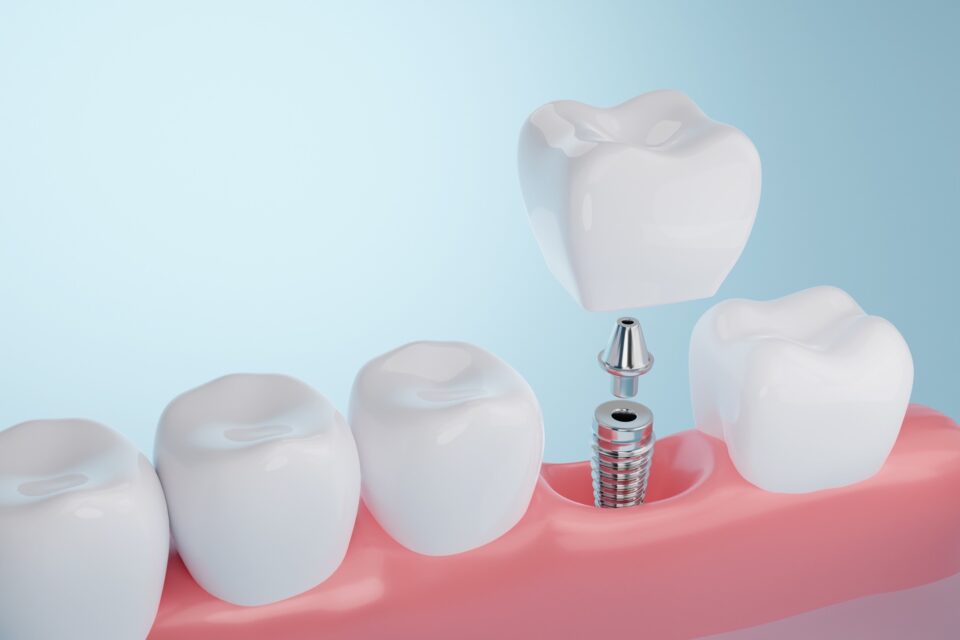
- Dental implants: A well-maintained implant can last anywhere from 20 to 30 years, or even a lifetime in some cases. The titanium post that serves as the root of the implant integrates with the jawbone, making it a permanent solution for tooth replacement. With proper care, dental implants can provide long-term stability and durability.
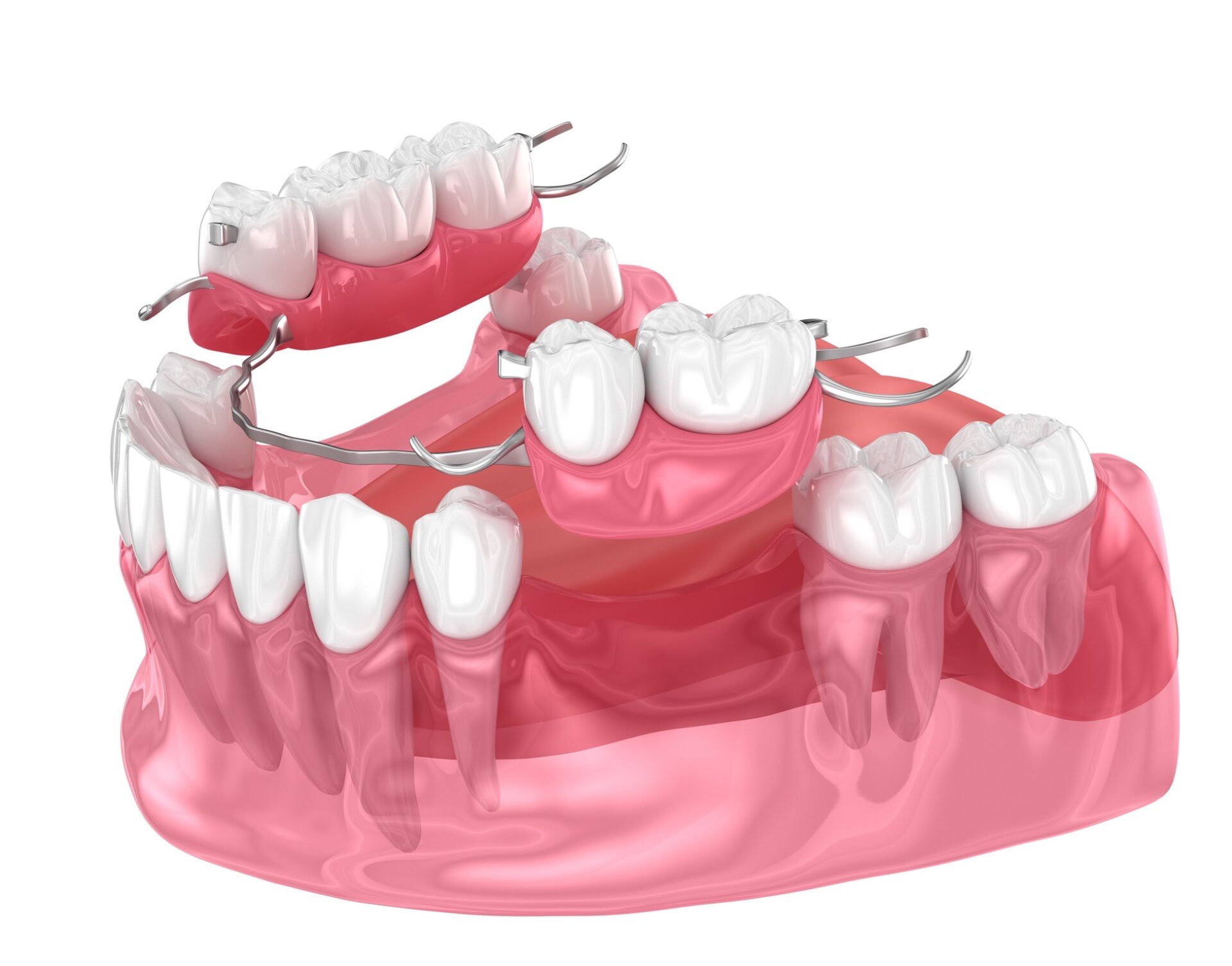
- Dental bridges: Dental bridges, while effective, typically last between 5 and 15 years, depending on factors like oral hygiene, wear and tear, and the materials used. Over time, the supporting teeth can weaken, which may necessitate replacement or repair. Additionally, if the surrounding teeth shift or wear down, the bridge may need to be replaced sooner than expected.
In short, dental implants offer a longer-lasting solution, while dental bridges may need to be replaced more frequently.
Which Option Is Better For Missing Multiple Teeth?
When it comes to replacing multiple missing teeth, both dental bridges and dental implants can be effective, but the choice depends on the number of teeth you need to replace and your overall oral health.
- Dental implants: For replacing multiple teeth, individual dental implants may be used for each missing tooth, or a series of implants can support a larger restoration, such as a bridge or denture. Dental implants are often considered the ideal choice for multiple missing teeth because they preserve jawbone health, provide a stable foundation, and don’t rely on adjacent teeth for support.
- Dental bridges: A dental bridge is a good solution when replacing several adjacent missing teeth. A traditional bridge uses the teeth next to the gap as anchors, which means those teeth need to be filed down to support the bridge.
For multiple missing teeth, a larger bridge may be necessary. However, this approach may not be suitable for all patients, especially if the adjacent teeth are not strong enough to support the bridge.
Ultimately, dental implants offer more flexibility and long-term benefits, particularly when replacing multiple missing teeth, as they don’t rely on the health of surrounding teeth.
Do Bridges Damage Surrounding Teeth?
One potential downside of dental bridges is that they require the alteration of surrounding healthy teeth. To support the bridge, the adjacent teeth must be filed down to accommodate the crowns that will hold the bridge in place. This can weaken the supporting teeth, making them more susceptible to decay and damage over time.
While dental bridges are effective in restoring function and aesthetics, the need to modify healthy teeth can be a concern for some patients. In contrast, dental implants do not require any alterations to surrounding teeth, as they are surgically placed directly into the jawbone.
If you are concerned about preserving the integrity of your natural teeth, dental implants may be the better choice for you.
Are Implants More Durable Than Dental Bridges?
Yes, dental implants are generally more durable than dental bridges. As mentioned earlier, dental implants can last a lifetime with proper care, thanks to the titanium post that fuses with the jawbone. This makes implants a very stable and permanent solution for tooth replacement.
On the other hand, dental bridges have a shorter lifespan and may need to be replaced every 5 to 15 years, depending on the condition of the supporting teeth. Over time, the pressure from chewing can cause wear and tear on the bridge, and the supporting teeth may become compromised.
For patients looking for a more durable and long-lasting option, dental implants are the better choice.
Which Is More Cost-Effective Long-Term?
While dental implants have a higher initial cost compared to dental bridges, they tend to be more cost-effective in the long run due to their durability and low maintenance requirements. As dental implants can last 20 to 30 years or more, patients often spend less on replacements and repairs over time.
In contrast, dental bridges may require more frequent replacements, especially if the supporting teeth become weak or damaged. Over time, this can lead to higher overall costs.
When evaluating the long-term cost, dental implants often provide better value for those who are willing to invest in a permanent solution. Dental bridges, while more affordable upfront, may end up being more expensive due to the need for frequent replacements.
Can a Dental Bridge Be Replaced With an Implant Later?
Yes, in many cases, dental bridges can be replaced with dental implants later on. If you initially chose a dental bridge but later decide that you want a more permanent solution, you can opt for dental implants after the bridge has been in place for some time.
The process of replacing a dental bridge with dental implants may involve removing the bridge and assessing the condition of the supporting teeth and jawbone. In some cases, bone grafting may be needed to ensure the implant has a stable foundation.
Consult with your dentist to determine if replacing your dental bridge with dental implants is the right option for you. For additional clinical insight on tooth replacement options, refer to this resource from the American Dental Association.
Final Thoughts
Both dental bridges and implants can effectively restore your smile, but the right choice depends on your long-term goals. From cost to lifespan and maintenance, each option offers something different. Thinking beyond the initial investment can help you avoid future issues and get better value over time.
By understanding how these solutions compare, you can choose a treatment that fits your lifestyle and supports lasting oral health. In the end, the best option is the one that keeps your smile functional, comfortable, and built to last.
Choosing the Right Option for Your Smile
Both dental bridges and dental implants offer valuable solutions for replacing missing teeth, but the choice between the two depends on several factors, including cost, longevity, durability, and oral health.
At Jaline Bocuzzi, DMD, PA // JBDentistry, we understand the importance of making the right decision for your dental health. Whether you’re interested in the cost of dental restoration in Pompano Beach, FL or need guidance on choosing the best option, our team is here to help.
Let us help you restore your smile with a solution that fits your needs and budget—schedule your visit through our online appointment request page today.