There’s something oddly revealing about sitting in a dental chair. You lean back, open your mouth, and suddenly, your teeth start telling your story—sometimes one you didn’t even know you were sharing. From your morning coffee habit to how often you really floss, your mouth gives away little secrets with every cleaning.
It’s not about judgment; it’s about awareness. Dental cleanings are more than just polishing teeth. They’re like your oral health report card. Every scrape, every rinse, every quick glance from your hygienist offers insight into how your teeth and gums are doing, and what might need attention.
So, what exactly do your teeth say about you when you’re in the chair? Let’s take a peek behind the scenes.
What Can a Dentist Detect During a Routine Dental Cleaning?
You might think a cleaning is all about removing plaque and leaving with that “just-brushed” freshness, but your dentist sees a lot more than you might realize. Think of a cleaning as a full inspection for your mouth, a combination of detective work, artistry, and science.
During your routine visit, your dentist and hygienist can pick up on a wide range of clues about your oral and overall health, including things that have nothing to do with cavities. A thorough dental exam often works hand in hand with your cleaning to spot these issues early.
Here’s what they’re really looking for:
- Early signs of decay: Even tiny spots on enamel can hint that a cavity is forming.
- Gum inflammation: Puffy or bleeding gums can indicate gingivitis, the first stage of gum disease.
- Grinding and clenching: Flat or worn-down teeth often mean you’re clenching your jaw or grinding your teeth, especially while sleeping.
- Signs of stress: Believe it or not, dentists can see evidence of stress in your mouth, from jaw tension to bite marks on your cheeks or tongue.
- Oral cancer symptoms: Dentists routinely check for suspicious spots, discoloration, or sores that could indicate early signs of oral cancer.
- Hidden infections: Even if you don’t feel pain, infections in the gums or around the roots can be visible during an exam or X-rays.
It’s like a health check-up that just happens to start with your smile. Your dentist isn’t just cleaning. They’re reading your mouth like a storybook, looking for chapters that might need a little editing before the plot thickens.
How Do Dental Cleanings Reveal Signs of Oral Health Problems?
You might not realize it, but a dental cleaning can reveal a lot about your health long before symptoms appear. That’s because your mouth is one of the first places your body shows signs of imbalance.
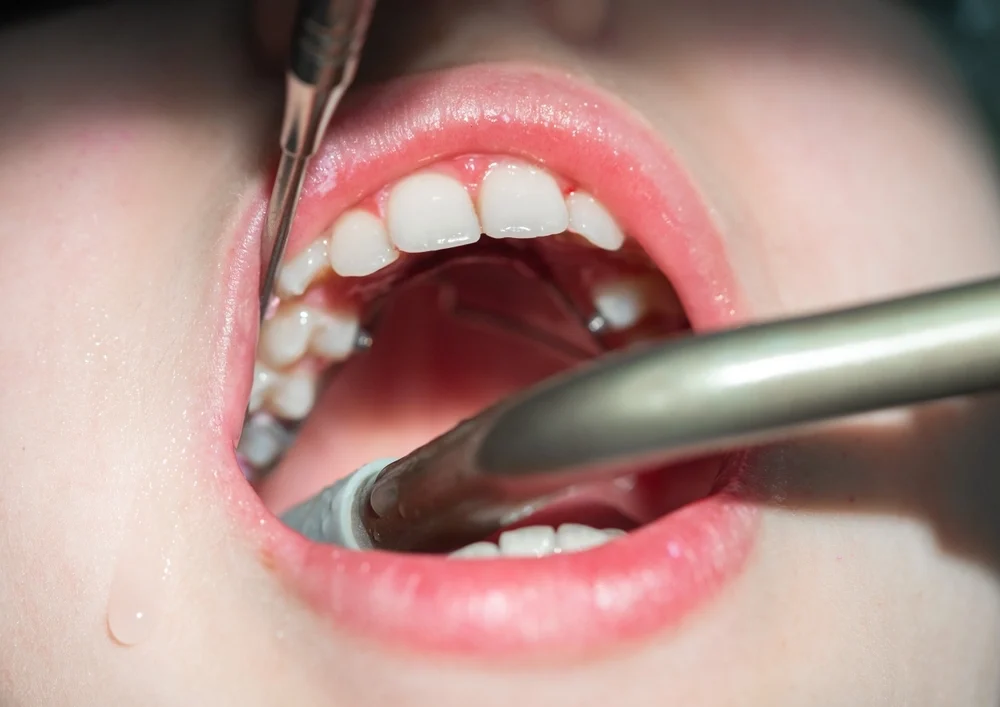
When your hygienist starts cleaning your teeth, they’re doing more than polishing away coffee stains. They’re assessing how your gums respond, where plaque tends to accumulate, and whether your tissue looks healthy. This is one reason professional teeth cleaning plays such an important role in preventive care.
Here’s how the process becomes diagnostic:
1. Gum Response
Healthy gums shouldn’t bleed during cleaning. If yours do, it can be a sign of inflammation or gum disease. Even a little bleeding can indicate that bacteria have made their way under the gumline.
2. Tartar Patterns
Tartar buildup, that hard, yellowish crust on your teeth, tells a story. Heavy buildup in certain areas can reveal where you tend to miss while brushing or flossing.
3. Enamel Wear
Your hygienist can see patterns of enamel erosion that suggest acid damage, often caused by too many acidic foods, soda, or even acid reflux.
4. Dry Mouth Clues
A sticky or dry mouth can signal that you’re not producing enough saliva. That might sound minor, but saliva is your mouth’s natural defense system. It helps fight bacteria and wash away debris.
5. Tooth Mobility
If a tooth moves even slightly, it can be an early sign of bone loss or advanced gum disease. This is why regular cleanings are essential. Dentists can catch small changes before they turn into big issues.
Think of your dental cleaning as a wellness scan for your mouth. It’s not just about removing buildup. It’s about catching the whispers of potential problems before they start shouting.
Why Do Gums and Teeth Show Early Warning Signs During a Cleaning?
If you’ve ever wondered why your gums are the first to “complain,” it’s because they’re incredibly sensitive to change. Gums are like the warning lights on your dashboard. They respond quickly when something’s off, whether it’s poor brushing, hormonal changes, or underlying health issues.
Gums as Early Messengers
When your hygienist notices redness or swelling, that’s your gums waving a flag. They’re saying, “Hey, something’s not right here.” This inflammation is your body’s immune response to bacteria building up around the gumline.
Left untreated, it can progress into gum disease, which not only affects your mouth but can also increase your risk for systemic issues like heart disease or diabetes. The National Institute of Dental and Craniofacial Research explains how gum disease often begins with inflammation that can worsen over time if ignored.
Teeth Tell Their Own Story Too
Your teeth also act like a diary. They record your habits, from the good to the not-so-great.
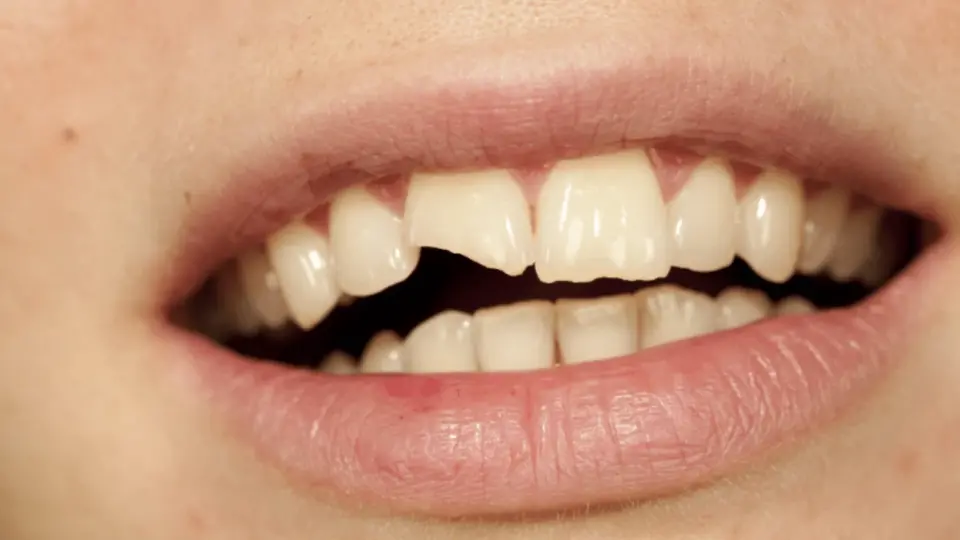
- Small chips can reveal nighttime grinding.
- Staining near the gumline might point to too much coffee or red wine.
- Uneven wear can suggest you’re favoring one side when you chew.
These aren’t just cosmetic concerns. They can impact how your teeth fit together and how your jaw functions.
The Bigger Picture
Because your mouth is connected to your bloodstream, early gum changes can sometimes indicate broader health conditions. For instance:
- Persistent bleeding could signal diabetes.
- Pale gums might reflect anemia.
- Chronic dryness can be linked to certain medications or autoimmune conditions.
It’s fascinating, and a little humbling, to realize that your dentist can see hints of your overall health just by looking at your gums and teeth. They’re not just treating your mouth. They’re watching over your well-being.
What Do Plaque and Tartar Buildup Indicate About Your Oral Hygiene Habits?
Before you cringe, remember: even the most diligent brushers deal with them. The key isn’t perfection. It’s awareness.
Plaque is that soft, sticky film that forms on your teeth after eating or drinking. It’s filled with bacteria that feed on sugars and produce acids. If plaque isn’t removed daily through brushing and flossing, it hardens into tartar, which can only be removed professionally.
If you want to dig deeper into how preventive visits protect more than just your smile, read Beyond Fresh Breath: How Regular Dental Cleanings Protect Your Health and Why Regular Teeth Cleaning Is Essential for Oral Health.
What Your Dentist Sees in the Chair
When your hygienist starts scraping tartar, they’re not judging. They’re learning. The location and amount of buildup tell them exactly how you’ve been brushing.
Here’s what different patterns often reveal:
- Heavy buildup near the gumline: You might be brushing too lightly or skipping flossing.
- Tartar on the back molars: Those hard-to-reach spots are often neglected during daily brushing.
- Staining with plaque: Frequent coffee, tea, or smoking habits.
- Minimal buildup: Great oral care routine, keep it up!
Why It Matters
Plaque and tartar buildup aren’t just about aesthetics. They’re bacteria magnets. The longer they stay, the more they irritate your gums, leading to inflammation, bad breath, and eventually gum disease.
But here’s the bright side: a cleaning isn’t just about removing buildup. It’s about resetting your oral health. Afterward, you get a clean slate, literally, and can start fresh with better brushing and flossing habits.
Your Smile Has a Lot to Say — Let JBDentistry Help It Speak Clearly
Every time you sit in the dental chair, your teeth and gums tell a story. They share your habits, your routines, and sometimes even your health secrets. And while that might sound intimidating, it’s actually empowering, because once you know what your mouth is saying, you can take control of your oral health and overall wellness.
At Jaline Bocuzzi, DMD, PA // JBDentistry, we don’t just clean teeth. We interpret what they’re trying to tell us. Our gentle, attentive team helps you understand what’s happening inside your mouth and how to keep your smile healthy, strong, and bright.
Whether it’s been six months or a few years since your last cleaning, it’s never too late to start fresh.