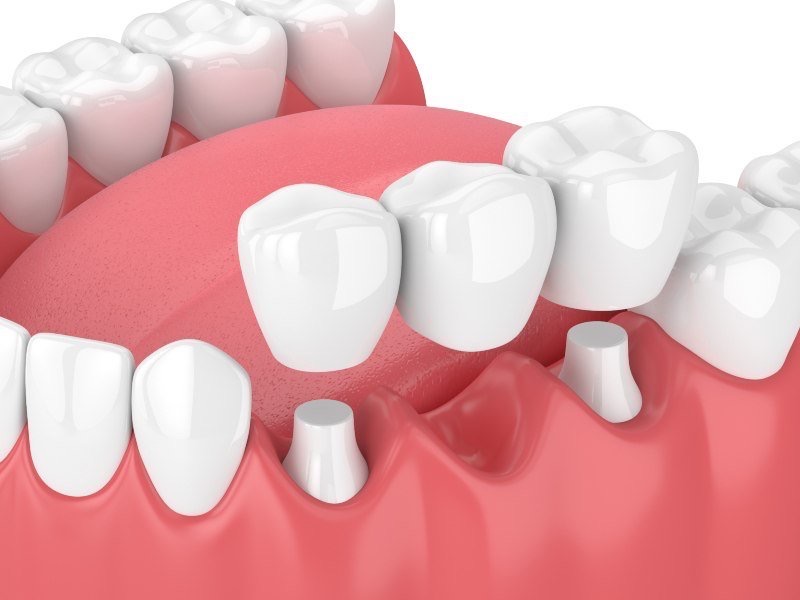
If you’ve ever been told you need a dental crown, you probably assumed there was only one way to get it done. But that’s no longer true.
Today, patients often have a choice between same-day crowns and traditional crowns, and the differences go beyond just timing. The process, materials, comfort, and even the overall experience can vary more than people realize.
While both options protect damaged teeth, how they fit into your schedule and recovery can feel very different. Understanding those unspoken differences helps you make a decision that truly fits your needs.
What Makes Same Day Crowns Different From Traditional Crowns in Terms of Procedure and Technology?
The biggest difference starts before the crown even exists.
Traditional crowns follow a multi-step process that has been refined over decades. After the tooth is prepared, an impression is taken, either digitally or with impression material. That impression goes to a dental lab where technicians design and fabricate the crown over several days or weeks. A temporary crown protects the tooth in the meantime.
Same-day crowns compress that entire process into a single visit using in-office digital scanning and milling technology.
Here is how the two approaches typically differ:
Same-Day Crowns
- Digital scan taken immediately after tooth prep
- Crown designed on software in real time
- Crown milled in-office from a ceramic block
- Final crown placed the same day
Traditional Crowns
- Impression or scan sent to a dental lab
- Crown crafted by trained technicians
- Temporary crown worn while waiting
- Final crown placed at a second visit
The technology behind same-day crowns is impressive. Milling units are precise. Software has improved dramatically. The convenience factor is undeniable.
But technology also sets boundaries. In-office milling machines work within a specific material size and shape. Labs, on the other hand, have flexibility. They layer ceramics, adjust translucency by hand, and fine-tune anatomy in ways machines alone cannot replicate.
Same-day crowns are fast. Traditional crowns are deliberate.
Are Same Day Crowns As Durable And Long Lasting As Traditional Dental Crowns
This is the question patients ask most often, and the answer is honest but unsatisfying.
Sometimes yes. Sometimes no.
Same-day crowns are typically milled from a single block of ceramic, often lithium disilicate or similar materials. These materials are strong, consistent, and reliable for many situations. For smaller restorations and teeth that do not experience extreme bite forces, they can perform very well.
Traditional crowns, however, benefit from customization. Lab technicians can reinforce stress points, adjust thickness strategically, and choose materials based on bite dynamics.
Over the long term, durability depends on several factors:
- Bite force and grinding habits
- Crown location in the mouth
- Material selection
- Precision of fit
- Tooth structure remaining underneath
In high-stress areas like back molars, traditional crowns sometimes offer better longevity simply because they can be designed specifically for that tooth’s function. Same-day crowns are durable, but they are standardized in a way that labs are not.
This does not mean same-day crowns fail early. Many last for years. But when dentists think long-term, especially for patients with complex bites or heavy wear, traditional crowns still earn respect.
Why Do Some Dentists Still Recommend Traditional Crowns Instead Of Same Day Crowns
From the outside, it can seem confusing. If same-day crowns exist, why not always use them?
The answer is not resistance to change. It is judgment.
Traditional crowns allow for collaboration between dentist and lab technician. That collaboration matters in cases where precision is critical. Think of teeth with unusual anatomy, cosmetic zone restorations, or patients with bite challenges.
Dentists may recommend traditional crowns when:
- A tooth needs complex esthetic layering
- The bite forces are uneven or heavy
- The margin placement is especially challenging
- The tooth requires maximum structural support
- The case benefits from technician artistry
There is also a control factor. Temporary crowns, while sometimes inconvenient, allow dentists to test shape, bite, and comfort before finalizing the restoration. Adjustments can be made based on real-world use, not just software predictions.
Same-day crowns remove that trial period. What you design and mill is what you get.
For many cases, that is perfectly fine. For others, dentists prefer the breathing room that traditional workflows provide.
How Do Same Day Crowns Compare to Traditional Crowns When It Comes to Fit and Appearance?
Digital scans are incredibly accurate. Same-day crowns often fit very well at the margins, especially when scanning conditions are ideal. Software can detect details that impressions sometimes miss.
However, fit is not just about numbers. It is about how a crown interacts with gums, neighboring teeth, and opposing teeth during function.
Traditional crowns benefit from human adjustment. A skilled lab technician can refine contacts, sculpt anatomy, and layer ceramics to mimic natural enamel translucency.
Here is how they often compare:
Same-Day Crowns
- Excellent marginal accuracy in many cases
- Consistent material strength
- Clean, uniform appearance
- Limited layering and customization
Traditional Crowns
- Highly customized fit and contour
- Enhanced esthetic depth and translucency
- Better mimicry of natural tooth anatomy
- Ability to adjust based on dentist feedback
In the front of the mouth, appearance becomes even more important. Subtle color gradients, light reflection, and edge translucency matter. Labs excel here.
Same-day crowns look good. Traditional crowns often look invisible.
The Part No One Talks About: Patient Experience
Same-day crowns win on convenience. There is no debate there. Patients appreciate fewer appointments and instant results.
But experience is more than speed.
Some patients prefer the pacing of traditional crowns. They like knowing a technician is crafting their restoration. They appreciate the extra appointment if it means refinement.
Others value efficiency above all else. One visit fits their schedule and lifestyle better.
Neither preference is wrong.
What matters is matching the approach to the patient, not forcing the patient into the approach.
So Which Crown Is “Better”?
Same-day crowns are not replacements for traditional crowns. They are additions to the dentist’s toolkit. Each has a place.
The best dentistry does not chase trends. It chooses methods intentionally. It considers tooth structure, bite dynamics, esthetics, and long-term outcomes, not just appointment length.
Patients deserve transparency, not hype.
When dentists explain why they recommend one option over another, trust grows. When patients understand the trade-offs, satisfaction increases.
The unspoken truth is that the best crown is the one chosen for the right reasons.
Dentistry That Chooses What’s Right, Not What’s Fast
At Jaline Bocuzzi, DMD, PA (JBDentistry), we believe great dentistry starts with listening. Same-day crowns and traditional crowns both have their place, and we take the time to explain which option makes sense for your tooth, your bite, and your long-term oral health.
If you need a dental crown and want clarity instead of shortcuts, schedule a consultation with our team. We’ll walk you through the options and help you make a decision that feels right today and years from now.