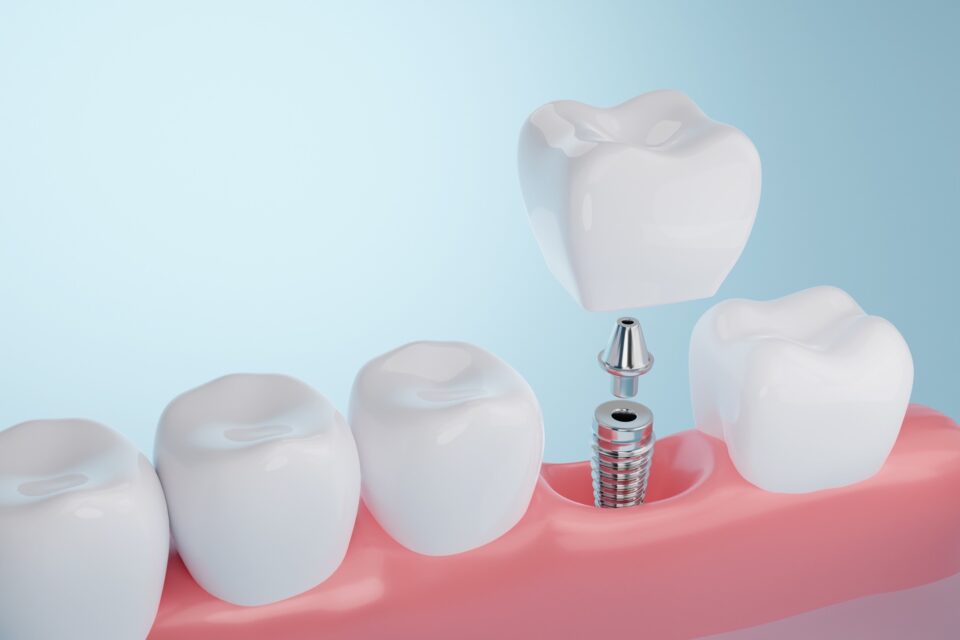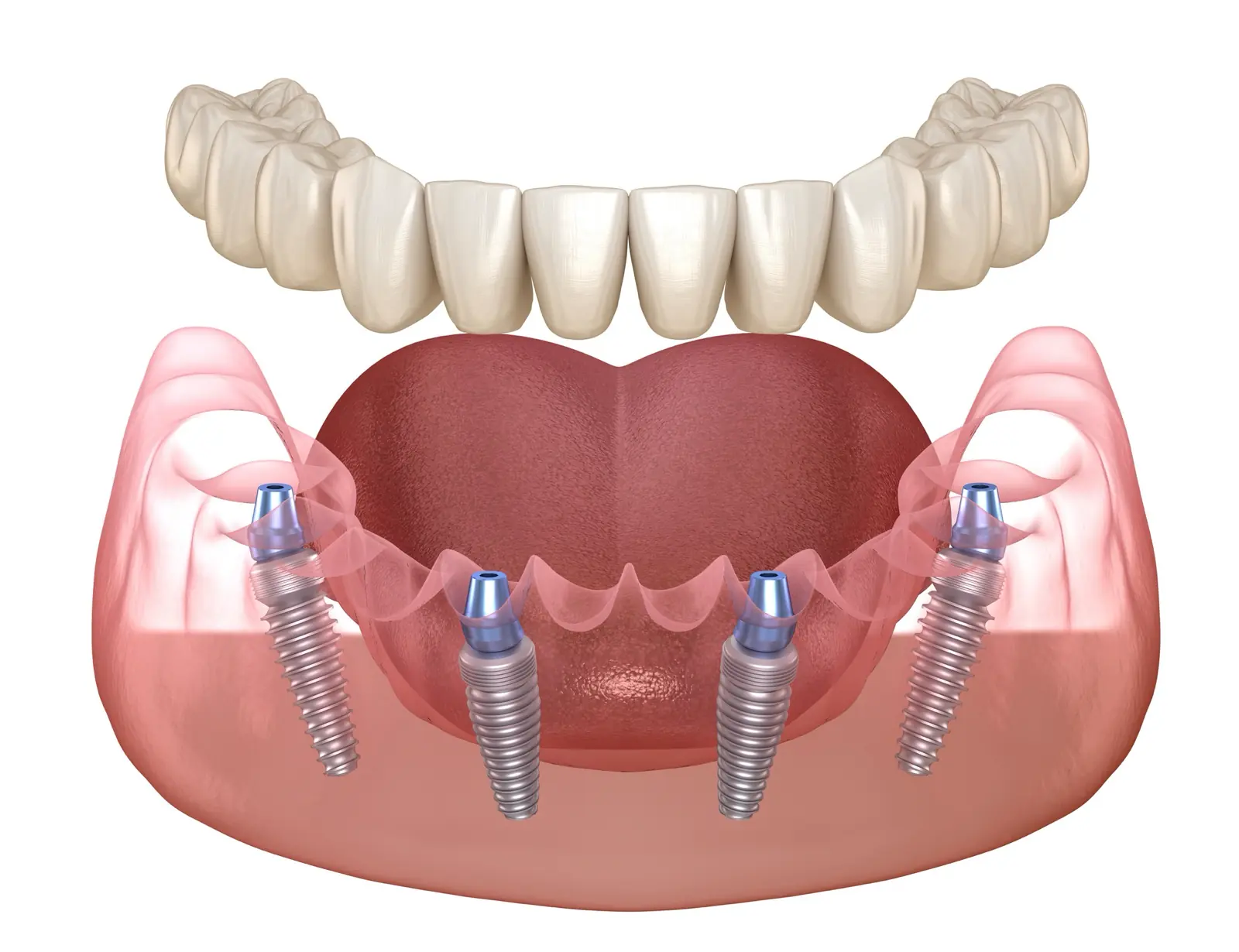
Dentistry loves the word “long-term,” but patients often hear it as vague and abstract. Ten years sounds far away until suddenly it isn’t. When it comes to dental implants, time is not just a passive backdrop. It is an active participant in how your jawbone behaves, adapts, strengthens, or slowly disappears.
There is a quiet biological story happening under the gums that most people never see. Teeth are not just chewing tools. They are messengers to the jawbone. Remove the message, and the bone starts to forget what it is supposed to do. That is where dental implants enter the conversation, and where time becomes the ultimate truth teller.
How Does Jawbone Density Change 10 Years After Dental Implant Placement?
The jawbone is living tissue. It remodels constantly based on stress, pressure, and function. When a natural tooth is present, chewing forces travel down through the tooth root into the bone, signaling it to stay dense and strong.
A dental implant is the only tooth replacement option that recreates that process.
Over a ten-year period, something interesting happens around a well-placed implant. Instead of shrinking, the surrounding bone tends to stabilize. In many cases, it actually becomes denser due to the consistent stimulation from chewing forces.
Here is what long-term studies and real-world dental imaging often show after a decade:
- Bone levels around implants remain remarkably stable
- Minimal vertical bone loss when the implant is properly integrated
- Increased bone density in areas that receive regular functional load
- Healthy bone-to-implant contact that mimics natural tooth behavior
This process is called osseointegration, and it is not a one-time event. It continues quietly for years. Think of it like a gym membership your jawbone never cancels. As long as the implant is doing its job, the bone keeps responding.
Of course, this is not automatic. Implant placement technique, bite alignment, oral hygiene, and overall health matter. But when everything is done correctly, ten years later the jawbone often looks far better than patients expect.
Do Dental Implants Prevent Jawbone Loss Better Than Other Tooth Replacement Options?
Dentures and bridges replace the visible part of a tooth. Dental implants replace the root. That difference changes everything for the jawbone.
With traditional bridges, the bone under the missing tooth is left untouched. There is no stimulation. Over time, the body assumes the bone is no longer needed and begins to resorb it. Dentures sit on top of the gums, applying pressure in ways the jaw was never designed to handle.
Dental implants, on the other hand, send functional signals directly into the bone.
Over a ten-year span, here is how different options typically compare:
Dental Implants
- Preserve bone height and width
- Reduce long-term facial collapse
- Maintain chewing efficiency
- Protect neighboring teeth from overload
Dental Bridges
- No stimulation to the missing tooth site
- Gradual bone loss under the bridge
- Increased stress on adjacent teeth
- Potential bite changes over time
Dentures
- Accelerated bone resorption
- Progressive loosening and fit issues
- Increased facial sagging
- Ongoing need for relines or replacements
From a bone health perspective, implants are not just better. They are in a different category entirely. Over ten years, that difference becomes visible on X-rays, in facial structure, and in how comfortably patients chew and speak.
What Long-Term Jawbone Changes Occur When a Missing Tooth is Left Untreated?
This is the part many people underestimate. Leaving a missing tooth alone is not a neutral choice. It sets off a chain reaction that unfolds slowly and quietly.
Within the first year of tooth loss, the jawbone in that area can lose up to 25 percent of its width. By the ten-year mark, the changes can be dramatic.
Here is what often happens over time when a missing tooth is not replaced:
- Progressive bone shrinkage in height and width
- Shifting of neighboring teeth into the empty space
- Bite collapse and uneven chewing forces
- Increased wear on remaining teeth
- Facial changes including sunken cheeks and deeper smile lines
The jawbone does not distinguish between neglect and intention. It responds only to function. No tooth, no signal, no reason to stay strong.
Many patients say they feel fine for years after losing a tooth. That is true. Bone loss is painless. But painless does not mean harmless. By the time discomfort shows up, the bone damage is often advanced and harder to reverse.
This is why implant conversations are often easier earlier than later. Ten years of bone loss can turn a straightforward implant into a complex procedure requiring grafting, longer healing, and higher cost.
Can Dental Implants Support Facial Structure and Bone Health Over The Years?
This is where the conversation goes beyond teeth.
Your jawbone is the scaffolding for your face. When it shrinks, the face follows. Lips thin out. Cheeks lose support. The lower third of the face shortens. These are not signs of aging alone. They are signs of structural loss.
Dental implants help preserve that framework.
Over a ten-year period, implants can:
- Maintain facial height and proportions
- Support natural lip and cheek contours
- Reduce the sunken appearance associated with tooth loss
- Help preserve a more youthful facial balance
This is not cosmetic trickery. It is biology. Bone supports soft tissue. Keep the bone, and the face retains its structure.
Patients often report unexpected benefits years after implant placement. They notice their dentures do not chase their shrinking jaw. They see fewer changes around their mouth. They feel more confident smiling without realizing why.
The jawbone, when respected and stimulated, ages differently.
The Real Truth About Time and Dental Implants
Ten years is enough time for the truth to show itself.
Dental implants are not immune to neglect. Poor hygiene, smoking, unmanaged medical conditions, and bite issues can compromise results. But when cared for properly, implants consistently outperform other options in preserving jawbone health.
The real debate is not implants versus dentures or bridges. It is stimulation versus silence. Bone that works stays. Bone that does not fades.
Dental implants are less about replacing teeth and more about respecting biology. They work because they cooperate with how the body is designed to function.
Time does not damage a good implant. Time reveals its value.
Thinking Long Term Starts With One Honest Conversation
Your Jawbone Has a Memory, Let’s Protect It!
At Jaline Bocuzzi, DMD, PA (JBDentistry), we believe dentistry should think in decades, not quick fixes. If you are living with a missing tooth or wondering whether dental implants make sense for your future bone health, we are here to walk through the facts with you.
Schedule a consultation with our team and let’s talk about what your jawbone will look like ten years from now.