Dental conversations are changing, even if it’s happening quietly. For years, traditional tooth replacement options like bridges and dentures dominated the discussion. Now, more patients are asking about dental implants first. They want solutions that feel natural, last longer, and fit their everyday lives.
Implants offer stability, comfort, and confidence without the trade-offs many older options bring. They also support jawbone health, which makes a real difference over time. This shift isn’t about trends or marketing. It’s driven by better outcomes and patient experience.
As people learn more and share stories, dental implants are becoming the starting point of the conversation, not the alternative, for modern tooth replacement decisions.
Why are Dental Implants Becoming More Common Than Traditional Tooth Replacement Options?
The short answer? Because patients started asking better questions.
For decades, tooth replacement discussions focused on what was fastest, cheapest, or most familiar. Dentures and bridges checked those boxes. But familiarity doesn’t equal satisfaction, and patients eventually began noticing the gap between “acceptable” and “actually comfortable.”
Dental implants gained traction not because dentists pushed them harder, but because real-life experiences spread faster than brochures ever could. People talked. Friends shared what it felt like to eat without worry. Family members noticed confidence returning. Small comments added up.
Implants are becoming more common because they address everyday frustrations that traditional options never fully solved:
- Dentures that slip at the worst moments
- Bridges that depend on grinding down healthy teeth
- Bone loss that slowly changes facial structure
- Constant maintenance, adjustments, and replacements
As expectations for healthcare rose overall, dentistry followed suit. Patients wanted solutions that felt permanent, not temporary compromises. Implants fit that mindset.
They don’t just replace a tooth. They restore normalcy. And once people experience normal again, it’s hard to go back.
How Do Dental Implants Compare to Dentures and Dental Bridges?
This is where the conversation gets real, because on paper, dentures, bridges, and implants can all “replace” a missing tooth. In daily life, they feel nothing alike.
Dentures, whether partial or full, rely on fit, suction, and sometimes adhesives. They work, but they also remind you they’re there. Every bite, every laugh, every social situation comes with a quiet calculation.
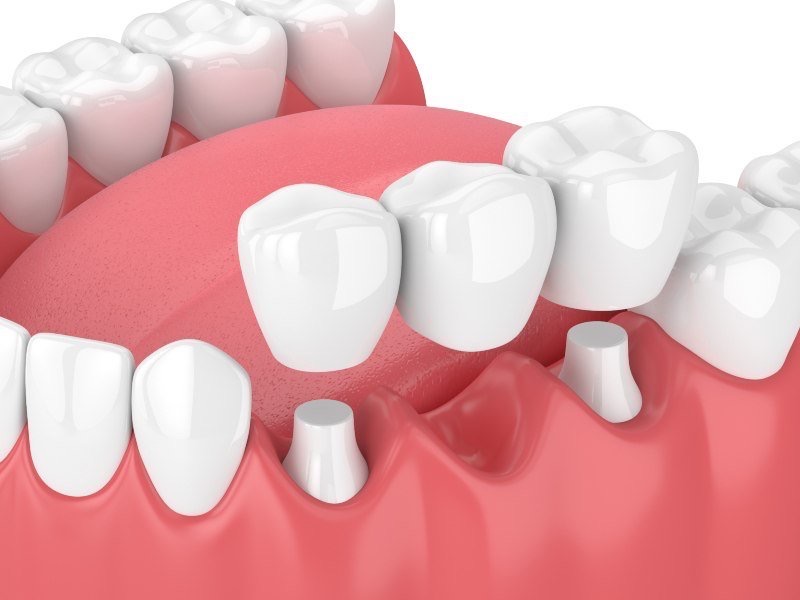
Bridges offer more stability, but they introduce another trade-off: sacrificing healthy teeth to support the replacement. That decision feels reasonable until years later, when those supporting teeth begin to weaken or fail.
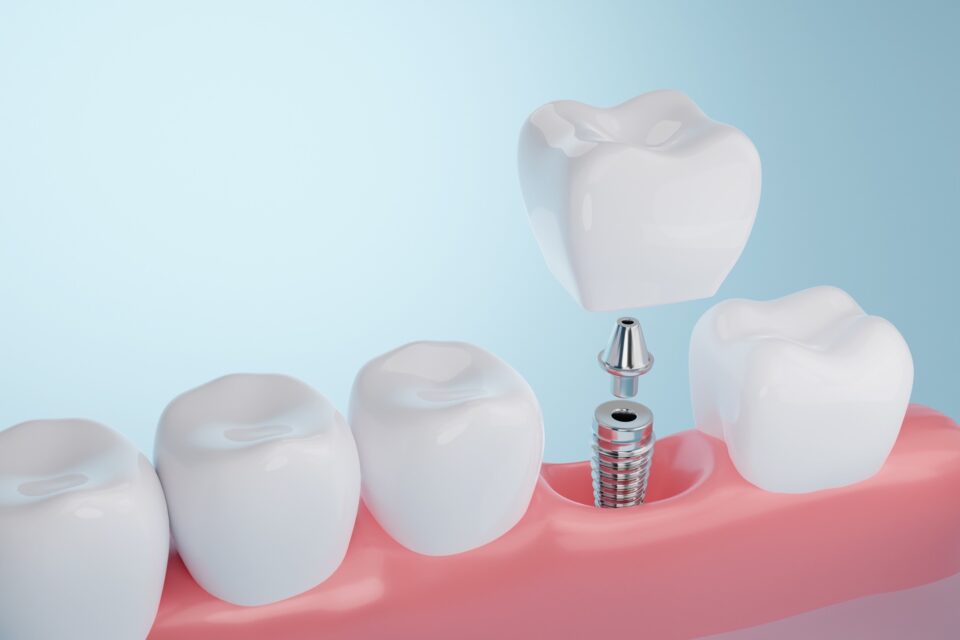
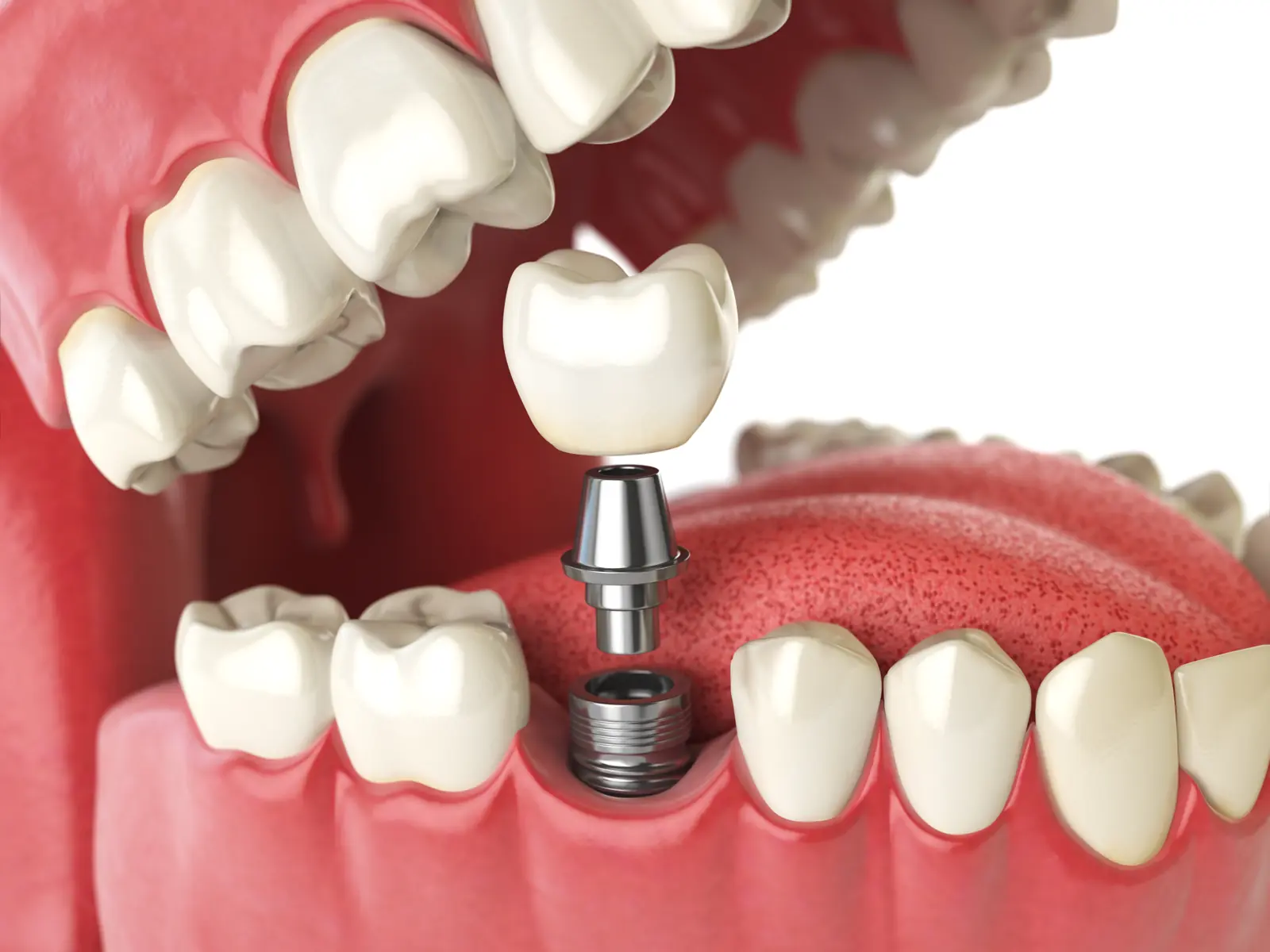
Dental implants take a different approach entirely. They replace the root, not just the visible tooth. That distinction changes everything.
Here’s how patients often describe the difference:
- Stability: Implants don’t move. Ever.
- Comfort: No rubbing, shifting, or pressure points.
- Confidence: Eating, speaking, and smiling feel natural again.
- Preservation: Jawbone stimulation helps prevent bone loss.
Dentures and bridges can feel like clever workarounds. Implants feel like restoration.
That doesn’t mean traditional options are “bad.” They have their place. But when patients experience the difference firsthand, the comparison becomes less theoretical and more emotional. And emotions tend to drive decisions far more than charts and diagrams.
What Factors are Driving The Shift Toward Dental Implants in Modern Dentistry?
This shift didn’t happen because one single factor changed. It happened because several things aligned at once.
First, implant technology improved dramatically. Today’s materials, imaging, and surgical techniques are far more precise and predictable than they were even 15 years ago. That increased confidence for both dentists and patients.
Second, people are living longer and staying healthier. A solution that lasts five to ten years doesn’t feel sufficient when patients expect decades of use. Longevity matters more now.
Third, dentistry itself became more patient-centered. Conversations shifted away from “this is what we can do” toward “this is how this will affect your life.” When framed that way, implants often make more sense.
There’s also a cultural shift happening. People are less willing to accept discomfort as normal. We upgrade phones, cars, and mattresses without hesitation. Why settle when it comes to something as personal as your smile?
Other quiet drivers include:
- Better education through online research and patient stories
- Increased focus on facial aesthetics and bone preservation
- A desire to avoid recurring dental expenses over time
- More open conversations about quality of life, not just function
Dental implants didn’t just enter the conversation. They elevated it.
Are Dental Implants Considered a Long Term Solution For Missing Teeth?
This is the question that often seals the decision.
Dentures wear down. Bridges eventually need replacement. Both require ongoing maintenance that adds up over time, financially and emotionally. Dental implants, when properly placed and cared for, are designed to last for decades. Often, a lifetime.
That longevity changes how patients view the investment. Instead of asking, “What’s the cheapest fix right now?” the question becomes, “What will I still be happy with ten or twenty years from now?”
Implants support bone health by mimicking natural tooth roots. That alone sets them apart. When a tooth is lost and nothing stimulates the jawbone, the bone begins to shrink. Over time, this can alter facial structure, affect neighboring teeth, and complicate future dental work.
By preserving bone, implants help maintain:
- Facial shape and structure
- Proper bite alignment
- Long-term oral health stability
Of course, implants are not magic. They require good oral hygiene, regular dental visits, and a commitment to care. But unlike traditional options that degrade by design, implants are built to endure.
That’s why they are increasingly framed not as an upgrade, but as a foundation.
A Confident Smile Shouldn’t Feel Like A Compromise
At Jaline Bocuzzi, DMD, PA // JBDentistry, we believe conversations about missing teeth should feel empowering, not overwhelming. If you’re curious whether dental implants are right for you, we’re here to talk it through honestly, clearly, and without pressure.
Your smile deserves more than a temporary fix. Let’s explore what a long-term solution could look like together.